
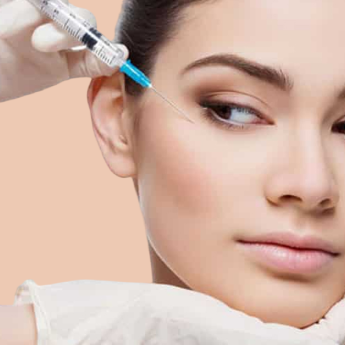
Platement Rich Plasma Therapy (PRP)
PRP Treatment in Pune - Hair and Skin Rejuvenation at Skinsure Clinic, Baner
Your blood already contains everything your body needs to repair and regrow. PRP treatment simply concentrates those repair signals and puts them exactly where the work needs to happen – into a thinning scalp or ageing skin – in a higher dose than your circulation would naturally deliver to that area.
PRP stands for Platelet Rich Plasma. It is made from a small sample of your own blood, processed in a centrifuge to separate the platelet-rich layer from the rest. That concentrated layer – rich in growth factors that control tissue repair, collagen production and cell regeneration – is injected into the treatment area. No synthetic chemicals, no foreign material. The source is your own body.
At Skinsure Clinic in Baner, Pune, Dr. Rashmi Soni Lohiya uses PRP for two distinct purposes: treating hair loss and stimulating scalp regrowth, and improving skin quality, texture and fine lines through facial PRP. She also offers GFC – Growth Factor Concentrate – an advanced refinement of PRP that delivers a higher concentration of specific growth factors with greater consistency of results.
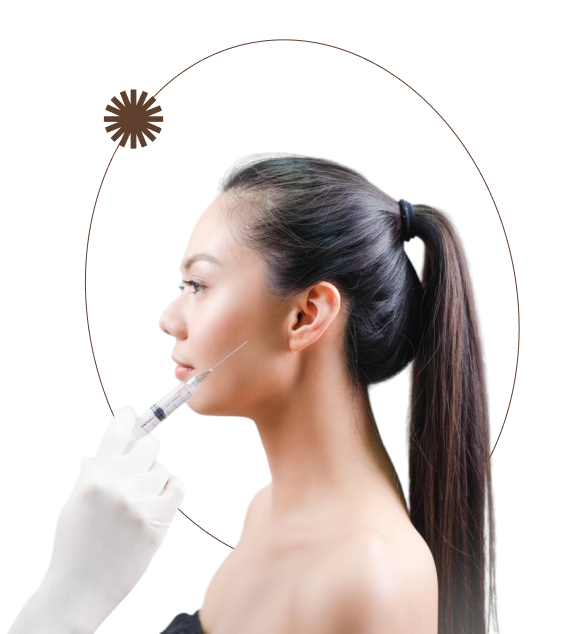
What Is PRP Treatment and How Does It Work?
Blood is made up of several components – red blood cells, white blood cells, plasma and platelets. Platelets are the cells responsible for clotting wounds, but they do much more than that. They contain hundreds of growth factors – signalling proteins that tell surrounding cells to repair tissue, produce collagen, increase blood supply and generate new cells.
In normal circulation, platelets travel throughout the body. But the concentration of platelets reaching any specific area – a thinning scalp, for example – is limited by blood flow. PRP takes those platelets, concentrates them to 3 to 5 times their normal blood concentration, and injects them directly into the area that needs repair. The result is a localised, high-dose delivery of the body’s own repair signals precisely where they are needed most.
The key growth factors in PRP include PDGF, TGF, VEGF, EGF and IGF. Together, they stimulate follicle activity (for hair loss), collagen and elastin production (for skin), improved blood supply to the treated tissue and cell proliferation. This is why PRP works across such a broad range of concerns – it is not targeting one mechanism, it is triggering the body’s full repair cascade simultaneously.
Stay in the touch.
Unlock the secrets to radiant skin by staying in touch with Skinsure Clinic. Join our community for expert skincare tips, exclusive offers, and the latest updates on revolutionary treatments
PRP vs GFC - Which Is Better?
Patients frequently ask whether they should have PRP or GFC. The honest answer: GFC is a refinement of PRP that addresses some of its limitations. Here is what actually differs:
Standard PRP
Standard PRP is prepared by centrifuging whole blood to separate the platelet-rich layer from red blood cells and most of the plasma. The platelet concentration is typically 3 to 5 times higher than whole blood. The preparation process is relatively simple and the results are well-documented across decades of clinical use. PRP is effective for early to moderate hair loss and skin rejuvenation.
GFC - Growth Factor Concentrate
GFC takes the process further. It uses a more advanced activation step that causes the platelets to release their growth factors into a purified concentrate before injection. What is injected is not the platelets themselves but the concentrated growth factor solution they have released. This means a higher and more consistent growth factor concentration, no red blood cell contamination and a smoother, more predictable injection experience. Clinical evidence consistently shows GFC producing stronger results in fewer sessions compared to standard PRP – particularly for moderate to significant hair thinning.
Which Does Dr. Rashmi Recommend?
For patients with mild hair loss or those having PRP for skin rejuvenation, standard PRP remains a highly effective and well-proven choice. For patients with moderate to significant hair thinning, or those who want the most effective injectable option available, Dr. Rashmi recommends GFC. For many patients, she recommends starting with a GFC course and using PRP for maintenance sessions once the initial improvement is established.
What Can PRP Treat? The Full Scope at Skinsure Clinic
PRP for Hair Loss
This is the most established and widely researched use of PRP. It works by injecting concentrated growth factors into the scalp at the follicle level – stimulating dormant follicles to re-enter the active growth phase, improving blood supply to the follicle base and reducing the inflammatory component that accelerates genetic hair loss. PRP for hair is effective for androgenetic alopecia (genetic hair thinning in both men and women), telogen effluvium (stress or illness-related shedding) and as a supportive treatment alongside alopecia areata management. It does not work for scarring hair loss conditions where follicles are permanently destroyed.
PRP for Skin Rejuvenation (PRP Facial)
PRP is injected into the face using fine needles or a microneedling device to deliver growth factors into the dermis. The growth factors stimulate fibroblasts – the cells that produce collagen and elastin – resulting in improved skin texture, reduced fine lines, a more even skin tone and an overall improvement in skin quality and radiance. It is particularly effective for patients with acne-scarred skin, sun-damaged skin, dull or fatigued-looking skin and early fine lines. It is also used post-laser or post-chemical peel to accelerate skin recovery.
PRP for Under-Eye Area
The skin under the eyes is the thinnest on the face and one of the first areas to show fatigue and ageing. PRP injected carefully into the periorbital area improves skin quality and reduces the crepe-like texture that develops under the eye with age. It is often combined with skin boosters or a small amount of tear trough filler for a comprehensive under-eye improvement. PRP alone works best for texture and skin quality – filler addresses the volume hollow.
PRP Combined with Microneedling
Microneedling creates controlled micro-channels in the skin surface. When PRP is applied immediately after microneedling – or injected alongside it – the growth factors penetrate to a deeper level than topical application alone allows. This combined approach is particularly effective for acne scarring, large open pores, skin texture improvement and overall skin quality. The combination amplifies the result of both treatments done separately.
PRP for Scalp Health (Supporting Scalp Treatment)
Beyond hair regrowth, PRP improves the overall scalp environment – reducing scalp inflammation that contributes to hair loss, improving sebum balance and supporting the follicle base circulation. It is used alongside scalp mesotherapy in patients with chronic scalp conditions causing secondary hair loss, as well as a standalone preventive treatment for patients who want to maintain scalp health before significant thinning occurs.
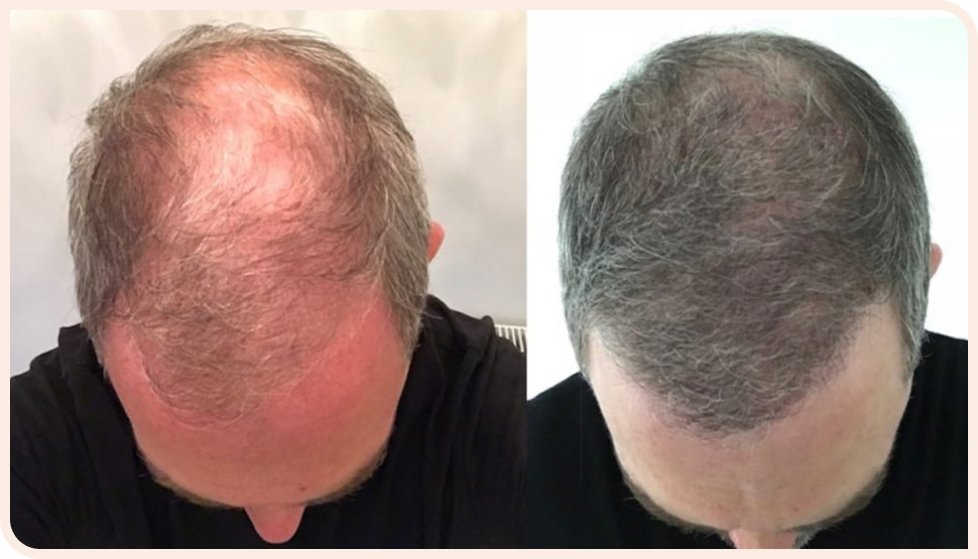
result
How Pigmentation Is Treated at Skinsure Clinic, Baner
Treatment is always layered at Skinsure Clinic. No single treatment addresses pigmentation completely – the most effective approach combines a medical protocol, a procedure and daily sun protection together.
Blood Draw
A small amount of blood – typically 10 to 20 ml depending on the area being treated – is drawn from your arm, exactly like a routine blood test. The process takes 2 to 3 minutes.
Chemical Peels
The blood sample is placed in a centrifuge and spun at a specific speed and duration to separate the platelet-rich plasma layer from the red blood cell layer below. This takes approximately 10 minutes. For GFC, an additional activation step is performed after centrifugation.
Preparation of Treatment Area
The scalp or face is cleaned and a topical numbing cream is applied if needed. For scalp PRP, the scalp is mapped and cleaned. For facial PRP, a thin layer of the PRP itself is sometimes applied to the face before injection to begin the growth factor contact at the surface.
Injection
The prepared PRP or GFC is drawn into syringes and injected into the treatment area using a fine needle. For scalp PRP, injections are placed approximately 1 cm apart across the thinning zones. For facial PRP, injections are placed in a grid pattern or in targeted areas like under the eyes or along fine lines.
Post-Session Care
A gentle scalp massage is sometimes performed after scalp PRP to distribute the product. For facial PRP, a cooling compress may be applied. You will see mild redness and very small injection marks that settle within a few hours.
Results Over Time
PRP results are not immediate. Hair growth is a 3-month biological cycle – you will not see new hairs overnight. Early follicle activity is often visible at 6 to 10 weeks. Skin PRP improvement in texture and glow is typically visible at 3 to 4 weeks after the first session. Full course results are best assessed 4 to 6 weeks after the final session.
What to Expect After PRP Treatment - Recovery and Results
Immediately After
Mild redness, slight swelling and very small injection marks are normal and settle within 4 to 6 hours for most patients. For scalp PRP, mild tenderness at injection points for 24 to 48 hours is expected. There is no scabbing, no peeling and no visible marks by the following morning.
Post-Session Care
- Avoid washing the scalp for 6 to 8 hours after scalp PRP
- Avoid vigorous exercise on the day of the session
- For facial PRP, avoid makeup for 12 hours and do not use retinoids or acids for 3 days
- Apply SPF 50 sunscreen the following morning and every day throughout the course
- Avoid hair colouring or chemical treatments on the scalp for 1 week after scalp PRP
After Chemical Peel
- Mild redness and tightness for 24 to 48 hours after superficial peels
- Skin may peel lightly on days 3 to 5 - this is normal and part of the process
- Do not peel or pick flaking skin - allow it to shed naturally
- Avoid sun exposure and use SPF 50 twice daily from the following morning
- Visible brightening: 7 to 14 days post-peel
Timeline to Results - Hair PRP
- Week 6 to 8: Early signs of increased hair density or reduced shedding
- Month 3: Visible improvement in hair density in the treated zones
- Month 4 to 6 (after completing the course): Best overall result
- Maintenance: One session every 4 to 6 months to sustain the result
Timeline to Results - Skin PRP
- Week 2 to 3: Improved skin radiance and hydration
- Week 4 to 6: Visible improvement in skin texture and fine line softening
- After 3 sessions: Significant collagen improvement, more even tone and smoother surface
- Maintenance: One session every 4 to 6 months
Who Is a Good Candidate for PRP Treatment in Pune?
PRP Hair Treatment - Ideal Candidates
- Early to moderate androgenetic alopecia (genetic hair thinning) in men and women
- Telogen effluvium - hair shedding triggered by stress, illness, pregnancy or nutritional deficiency
- Patients wanting to maintain hair density before significant thinning occurs (preventive use)
- Patients who have responded partially to minoxidil or other topical treatments and want to enhance results
- Women with PCOS-related hair thinning alongside hormonal management
PRP Hair Treatment - Not Ideal For
- Scarring alopecia (lichen planopilaris, frontal fibrosing alopecia) - follicles are permanently scarred
- Very advanced hair loss where follicles are no longer active (large bald areas with no miniaturised hairs)
- Patients with blood disorders affecting platelet function or count
Timeline to Results - Hair PRP
- Week 6 to 8: Early signs of increased hair density or reduced shedding
- Month 3: Visible improvement in hair density in the treated zones
- Month 4 to 6 (after completing the course): Best overall result
- Maintenance: One session every 4 to 6 months to sustain the result
Skin PRP - Ideal Candidates
- Any age from mid-20s onwards wanting skin quality improvement
- Patients with acne scarring, post-inflammatory marks or sun-damaged skin
- Patients wanting a natural alternative to synthetic skin treatments
- Patients recovering from laser or chemical peel who want to accelerate healing
- Patients wanting improved under-eye skin quality alongside or instead of filler
Frequently Asked Questions - PRP Treatment in Pune
PRP stands for Platelet Rich Plasma. It is prepared from a small sample of your own blood, which is centrifuged to concentrate the platelet layer. Platelets contain growth factors that stimulate tissue repair, collagen production and cell regeneration. For hair loss, PRP is injected into the scalp to reactivate dormant follicles and reduce shedding. For skin, PRP is injected into the face to improve texture, reduce fine lines and stimulate collagen. At Skinsure Clinic in Baner, Pune, Dr. Rashmi also offers GFC - a more advanced version of PRP - for patients who want a higher growth factor concentration and stronger results.
Standard PRP concentrates platelets from whole blood to 3 to 5 times their normal level. GFC (Growth Factor Concentrate) takes this further - the platelets are activated to release their growth factors into a purified solution, which is then injected. The result is a higher and more consistent growth factor concentration, with no red blood cell contamination and a smoother injection experience. GFC consistently produces stronger results in fewer sessions compared to standard PRP, particularly for moderate to significant hair thinning. Dr. Rashmi recommends GFC for patients with more advanced hair loss and PRP for milder cases or skin rejuvenation.
A standard PRP course at Skinsure Clinic involves 3 to 4 sessions spaced 3 to 4 weeks apart. For hair loss, early improvement in shedding reduction is visible at 6 to 8 weeks, with visible density improvement at 3 months. Skin PRP shows improved texture and glow at 3 to 4 weeks after each session. Results from a full course last 6 to 12 months, after which a maintenance session every 4 to 6 months sustains the improvement. Patients who maintain regular PRP sessions typically see progressive cumulative improvement over 12 to 18 months.
PRP is one of the safest injectable treatments available because the source material is your own blood. There is no risk of allergic reaction, immune rejection or sensitisation. Side effects are minimal: mild redness, slight swelling and small injection marks that settle within a few hours. Mild scalp tenderness for 24 to 48 hours is normal after scalp PRP. There are no known long-term side effects of PRP when performed by a trained dermatologist. It is safe for all skin types and tones, including darker Indian skin where some other treatments carry pigmentation risk.
Yes. Patients from Balewadi, Aundh, Wakad, Pashan, Hinjewadi, Pimple Saudagar and across PCMC visit Skinsure Clinic for PRP hair and skin treatment. The clinic is at the 7th floor of Lunawat Apex, Baner Road, behind the Nexa showroom near Sadhu Vaswani Nagar, Aundh, Pune 411007. Call 099606 03380 to book your consultation.