
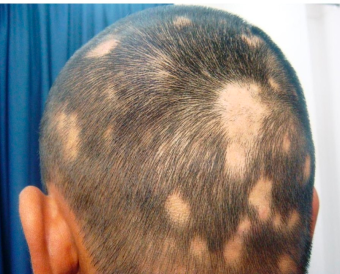
Alopecia areata

Alopecia Areata Treatment in Baner, Pune - Specialist Care at Skinsure Clinic
Waking up to find a smooth, coin-shaped bald patch on your scalp is alarming. For many patients, the first reaction is panic – and the second is confusion, because the skin in the patch looks completely normal. No inflammation, no scaling, no pain. Just an abrupt absence of hair where it was yesterday.
This is alopecia areata – an autoimmune condition where the body immune system mistakenly attacks its own hair follicles. It affects roughly 2% of people at some point in their lifetime, across all age groups and skin types. It is not contagious, it is not caused by stress alone and it does not mean permanent hair loss in most cases. What it does require is accurate diagnosis and the right treatment plan, started early.
At Skinsure Clinic in Baner, Pune, Dr. Rashmi Soni Lohiya – a dermatologist and trichologist with 23 years of experience – treats all types of alopecia areata with a protocol built on clinical evidence, not guesswork. Patients from Baner, Aundh, Balewadi, Wakad, Hinjewadi and across PCMC visit Skinsure Clinic specifically for this condition.
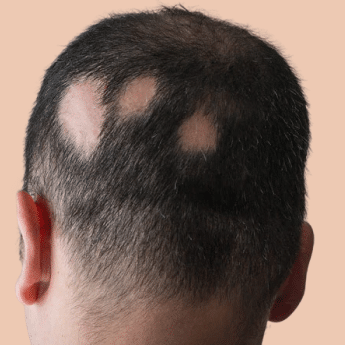
What Is Alopecia Areata? Understanding the Condition
Alopecia areata is an autoimmune hair loss condition in which the immune system attacks hair follicles, causing them to stop producing hair. The follicles remain alive and intact – they are simply switched off by the immune response. This is medically significant because it means regrowth is biologically possible, even after complete patch baldness, provided the follicles are reactivated with appropriate treatment.
Key Facts About Alopecia Areata
- Affects approximately 2% of the global population at some point in their lifetime
- Equally common in men and women; can appear at any age including children
- The hair follicle is not destroyed - it is dormant. This is why treatment can restore hair.
- Often unpredictable: some patches regrow spontaneously; others spread or persist without treatment
- Not caused by diet, hair products or hygiene
- Stress can trigger or worsen flares, but is not the root cause in isolation
- Can affect scalp, eyebrows, eyelashes, beard and body hair
- Associated with other autoimmune conditions: thyroid disease, vitiligo, atopic dermatitis
Types of Alopecia Areata - What Dr. Rashmi Diagnoses at Skinsure Clinic
Not all alopecia areata looks the same. The type determines the treatment approach, the expected response and the realistic prognosis. Dr. Rashmi uses trichoscopy and clinical examination to classify each case before starting any treatment.
| Cause | Mechanism | Clinical Significance |
|---|---|---|
| Genetic Susceptibility | Family history of alopecia areata or other autoimmune conditions (thyroid disease, vitiligo, type 1 diabetes). | More likely if a first-degree relative is affected. Presence of HLA-DR gene variants increases risk. |
| Autoimmune Trigger | The immune system produces T-cells that attack melanocytes in the hair follicle, causing the follicle to stop producing hair. | The follicle itself is not destroyed—it remains dormant. This is why regrowth is possible even after significant hair loss. |
| Acute Emotional or Physical Stress | Major stressful events, illness, surgery or bereavement triggering or worsening existing autoimmune activity. | Stress does not cause alopecia areata independently, but it commonly triggers or accelerates flare-ups in genetically predisposed individuals. |
| Other Autoimmune Conditions | Co-existing thyroid disease (Hashimoto's, Graves'), vitiligo or atopic dermatitis increase the likelihood of alopecia areata. | Managing co-existing autoimmune conditions can help stabilise alopecia areata. Patients should be screened during the first consultation. |
| Environmental Triggers | Suspected role of environmental factors and microbiome changes. Research is ongoing. | Not fully established as independent causes. Most cases have a genetic and immune component as the primary driver. |
Stay in the touch.
Unlock the secrets to radiant skin by staying in touch with Skinsure Clinic. Join our community for expert skincare tips, exclusive offers, and the latest updates on revolutionary treatments
What Causes Alopecia Areata? A Clinical Explanation
Patients most commonly ask: “Did I cause this?” The answer, in almost every case, is no. Alopecia areata is not caused by diet, stress, hair products or lifestyle alone. It is primarily a genetic and autoimmune condition. The table below explains the known causes and their clinical significance.
| Cause | Mechanism | Clinical Significance |
|---|---|---|
| Genetic Susceptibility | Family history of alopecia areata or other autoimmune conditions (thyroid disease, vitiligo, type 1 diabetes). | More likely if a first-degree relative is affected. Presence of HLA-DR gene variants increases risk. |
| Autoimmune Trigger | The immune system produces T-cells that attack melanocytes in the hair follicle, causing the follicle to stop producing hair. | The follicle itself is not destroyed—it remains dormant. This is why regrowth is possible even after significant loss. |
| Acute Emotional or Physical Stress | Major stressful events, illness, surgery or bereavement triggering or worsening existing autoimmune activity. | Stress does not cause alopecia areata independently, but it commonly triggers or accelerates flares in predisposed individuals. |
| Other Autoimmune Conditions | Co-existing thyroid disease (Hashimoto's, Graves'), vitiligo or atopic dermatitis increase the likelihood of alopecia areata. | Managing co-existing autoimmune conditions can help stabilise alopecia areata. Dr. Rashmi checks for these during the first consultation. |
| Environmental Triggers | Suspected role of environmental factors and microbiome changes. Research is ongoing. | Not fully established as independent causes. Most cases have a genetic and immune component as the primary driver. |
How Alopecia Areata Is Diagnosed at Skinsure Clinic
Accurate diagnosis determines everything – the treatment chosen, the expected response time and what the patient can realistically be told about their prognosis. Dr. Rashmi uses the following diagnostic approach:
Key Facts About Alopecia Areata
Pattern, size, distribution and borders of patches assessed. Nail pitting and nail surface changes checked – present in 10 to 15% of alopecia areata cases.
Trichoscopy
Dermatoscope examination of the scalp reveals exclamation mark hairs, yellow dots, black dots and broken hairs – diagnostic features specific to alopecia areata.
Blood Panel Review
Thyroid function tests (TSH, T3, T4), ANA, ferritin, Vitamin D and CBC to rule out co-existing autoimmune or nutritional factors.
History of Autoimmune Conditions
Family history of alopecia areata, thyroid disease, vitiligo or atopic dermatitis assessed. These increase the likelihood of alopecia areata and affect the management approach.
Visual Scalp Examination
Pattern, size, distribution and borders of patches assessed. Nail pitting and nail surface changes checked – present in 10 to 15% of alopecia areata cases.
Grade and Stage Classification
SALT score (Severity of Alopecia Tool) used to objectively measure percentage scalp involvement. Used to track treatment response over time.
procedure
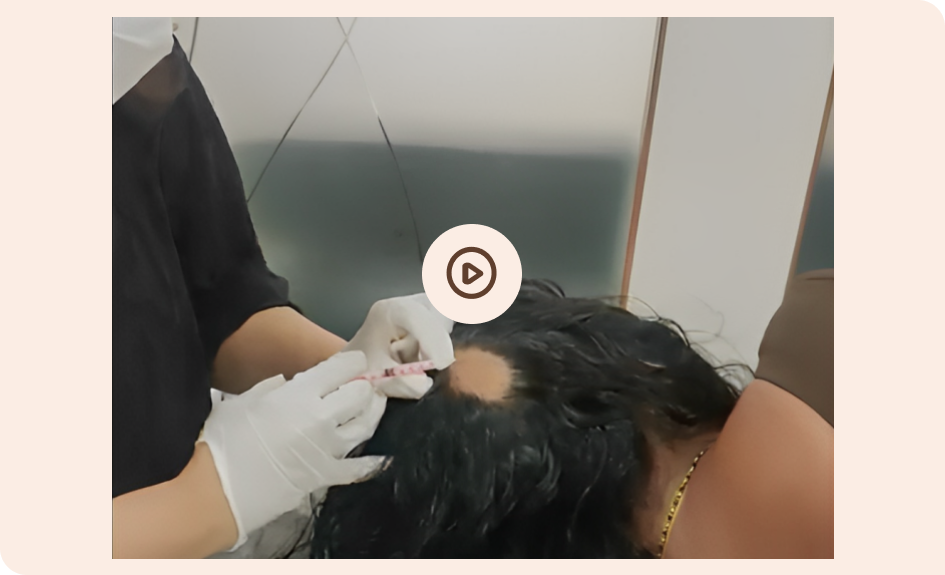
Alopecia Areata Treatments Offered at Skinsure Clinic, Baner, Pune
There is no single universal treatment for alopecia areata in Baner, Pune or anywhere. The right treatment depends on the type, extent and activity of disease – and whether the patient has had previous treatment. Dr. Rashmi builds an individual plan for each patient rather than applying a standard protocol.
| Treatment | Best For | Session Duration | How It Works | Expected Timeline |
|---|---|---|---|---|
| Intralesional Corticosteroids | Mild to moderate patchy alopecia areata. | 10–15 minutes per session. | Most established first-line treatment. Corticosteroids are injected directly into affected patches to suppress local immune activity and encourage regrowth. Results are often visible within 4–8 weeks. | Monthly sessions. Most patients notice regrowth within 2–3 months. |
| GFC (Growth Factor Concentrate) | Moderate alopecia areata and chronic or non-responsive cases. | 45–60 minutes. | Growth factors prepared from the patient's own blood stimulate dormant follicles and promote healthier hair growth. Frequently combined with immune-modulating treatment. | Four sessions at four-week intervals. Hair regrowth usually begins after 6–12 weeks. |
| PRP (Platelet-Rich Plasma) | Mild to moderate patchy alopecia areata. | 30–45 minutes. | Platelet-rich plasma is injected into affected areas to improve follicle activity, reduce inflammation and support natural regrowth. | Four to six sessions every 3–4 weeks. Often combined with topical therapies. |
| Topical Immunotherapy (DPCP) | Extensive or treatment-resistant alopecia areata. | Monthly in-clinic application. | DPCP creates a controlled immune response that redirects the body's immune system away from attacking hair follicles. | Specialist treatment. Response is assessed over 3–6 months. |
| Systemic Immunomodulators | Severe alopecia totalis or alopecia universalis. | Oral medication. | Prescription medicines reduce excessive autoimmune activity when topical treatments and injections alone are insufficient. | Monthly monitoring is required with specialist supervision. |
| Minoxidil (Topical) | Suitable as an adjunct for all types of alopecia areata. | Daily home application. | Improves blood flow around hair follicles and supports regrowth. Best used alongside primary medical treatment. | Continued daily according to the dermatologist's advice. |
| Scalp Mesotherapy | Supporting scalp health and circulation. | 20–30 minutes. | Microinjections of vitamins, minerals and amino acids nourish the scalp, improve circulation and create a healthier environment for hair follicles. | Monthly sessions alongside the primary treatment plan. |
Recovery Time and What to Expect After Each Treatment
The most important thing to understand about alopecia areata treatment recovery is that hair regrowth is a biological process – it takes time regardless of which treatment is used. The table below gives honest, specific timelines for every treatment offered at Skinsure Clinic.
| Treatment | Duration | Immediate After-Effects | Post-Treatment Care | Timeline to Regrowth |
|---|---|---|---|---|
| Intralesional Corticosteroids | 10–15 min | Mild tenderness at injection sites for 2–4 hours. Small raised areas usually settle within a few hours. | Avoid scratching the treated scalp for 24 hours. Normal daily activities can continue the same day. | First signs of regrowth appear in 4–8 weeks. Progress is assessed during monthly follow-up visits. |
| GFC Therapy | 45–60 min | Mild scalp tenderness and redness for up to 24–48 hours. No scabbing or peeling. | Avoid direct sunlight for 48 hours. Do not wash the scalp for 24 hours. | Follicle activity begins in 6–8 weeks. Visible hair growth generally appears after 3–4 months. |
| PRP Treatment | 30–45 min | Mild scalp tightness or swelling for 24 hours. Usually no visible marks. | Wash hair gently after 24 hours. Avoid strenuous exercise on the treatment day. | Early regrowth is seen within 6–10 weeks. Best results develop after 3–4 months. |
| Topical Immunotherapy (DPCP) | 15–20 min in-clinic application | Mild redness, itching and controlled skin irritation. These reactions are expected. | Avoid sunlight on the treated area for 48 hours. Do not wash the scalp for 24 hours. | Progress is usually assessed after 3–6 months of consistent treatment. |
| Scalp Mesotherapy | 20–30 min | Tiny injection marks and mild itching usually settle within one day. | Avoid washing the hair for 6–8 hours. Avoid direct sun exposure for 24 hours. | Improved scalp condition is noticed within 3–4 weeks. Hair response usually develops over 2–3 months. |
| Topical Minoxidil (Home) | Daily application | Temporary shedding may occur during the first 2–4 weeks. This is a normal part of treatment. | Apply exactly as prescribed. Do not wash the scalp immediately after application. | Visible improvement generally appears after 3–6 months of regular daily use. |
Frequently Asked Questions - Alopecia Areata Treatment in Pune
Alopecia areata is an autoimmune condition where the immune system attacks hair follicles, causing sudden patchy hair loss. The follicles remain alive but dormant - which means regrowth is possible with the right treatment. At Skinsure Clinic in Baner, Pune, Dr. Rashmi Soni Lohiya treats all types of alopecia areata including single patches, multiple patches, ophiasis pattern, eyebrow and eyelash loss and alopecia totalis.
The most effective treatment depends on the type and extent of the condition. For mild to moderate patchy alopecia areata, intralesional corticosteroid injections into the patch are the most established and fastest-acting first-line treatment - with regrowth typically visible within 4 to 8 weeks. GFC (Growth Factor Concentrate) and PRP are added for cases where follicle stimulation is needed or where corticosteroid response has plateaued. Extensive or severe cases may require systemic immunomodulatory treatment. Dr. Rashmi builds an individual plan after trichoscopy and clinical assessment at Skinsure Clinic, Baner.
The first signs of regrowth typically appear within 4 to 8 weeks of starting intralesional corticosteroid treatment. Fine, colourless or white hair appearing in the patch is an early positive sign - pigmented hair follows. GFC and PRP therapies typically show follicle activity at 6 to 10 weeks. A full treatment course of 3 to 4 months is needed to assess the full response. Dr. Rashmi tracks progress with comparison photographs at every follow-up visit.
Alopecia areata is not automatically permanent. The hair follicle in an alopecia patch is dormant, not dead - which means regrowth is biologically possible in most cases. Mild to moderate patchy alopecia areata has a good response rate with treatment. Alopecia totalis and universalis are more challenging, but newer treatments are producing results that were not possible a decade ago. The key factors that influence outcome are the extent of the disease, duration before treatment starts and the patient immune system activity. Early treatment at Skinsure Clinic, Baner gives the best chance of regrowth.
Yes. Patients from Balewadi, Aundh, Wakad, Pashan, Hinjewadi, Pimple Saudagar and across PCMC regularly visit Skinsure Clinic for alopecia areata treatment. The clinic is at the 7th floor of Lunawat Apex, Baner Road, behind the Nexa showroom near Sadhu Vaswani Nagar, Aundh, Pune 411007. Call 099606 03380 to confirm your consultation slot.