
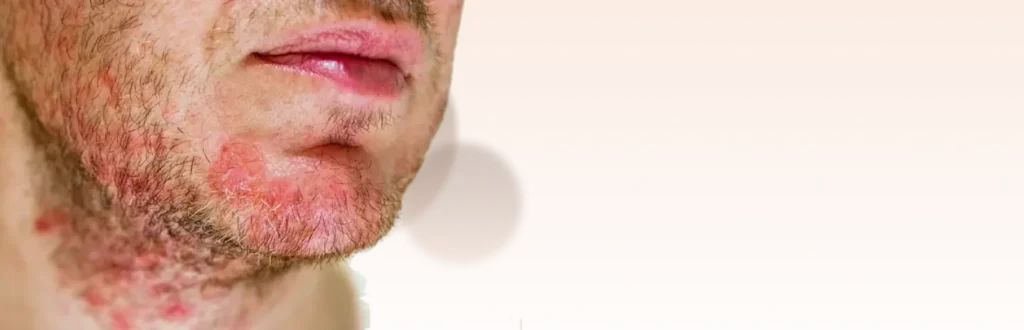
Eczema

Eczema Treatment in Baner, Pune
Treating eczema with the wrong approach – or with a steroid cream picked up at a pharmacy without a diagnosis – can suppress symptoms temporarily while the underlying cause continues unchecked. Proper eczema management starts with identifying the type, finding the trigger and then building a plan that addresses both the active rash and the prevention of future flares.
At Skinsure Clinic in Baner, Pune, Dr. Rashmi Soni Lohiya – an MD DNB Dermatologist with 23 years of experience – diagnoses and manages the full range of eczema types for patients from Baner, Aundh, Balewadi, Wakad and across PCMC.
Types of Eczema – Why Correct Diagnosis Matters
1. Atopic Dermatitis
Common triggers: Dust mites, pet dander, sweat, synthetic fabrics, fragranced soaps, stress, sudden weather changes. In Pune specifically: high humidity during monsoon and dry winters both trigger flares in different ways.
Treatment: Prescription topical corticosteroids for active flares + topical calcineurin inhibitors for maintenance + barrier repair moisturisers daily + trigger identification and avoidance.
2. Contact Dermatitis
Common triggers: Irritant: frequent hand washing, detergents, cleaning products. Allergic: nickel in earrings/watch straps, paraphenylenediamine (PPD) in hair dye, fragrances in skincare, rubber in gloves.
Treatment: Identify and remove the causative substance (patch testing for allergic type). Topical corticosteroids for active inflammation. Barrier cream for hands. Allergen avoidance is the only long-term solution for allergic contact dermatitis.
3. Seborrhoeic Dermatitis
Common triggers: Stress, hormonal changes, cold or dry weather, oily skin, certain hair products.
Treatment: Antifungal shampoos and topicals (ketoconazole, zinc pyrithione). Topical corticosteroids for acute flares. Long-term maintenance with antifungal products. Cannot be permanently cured – managed with an ongoing protocol.
4. Nummular Eczema (Discoid Eczema)
Common triggers: Dry skin, skin injury, insect bites, dry environments (air-conditioned offices in Baner and Hinjewadi), low humidity Pune winters.
Treatment: Prescription topical corticosteroids for active patches. Intensive moisturisation. Identifying and treating any underlying dry skin or skin infection that is perpetuating the patches.
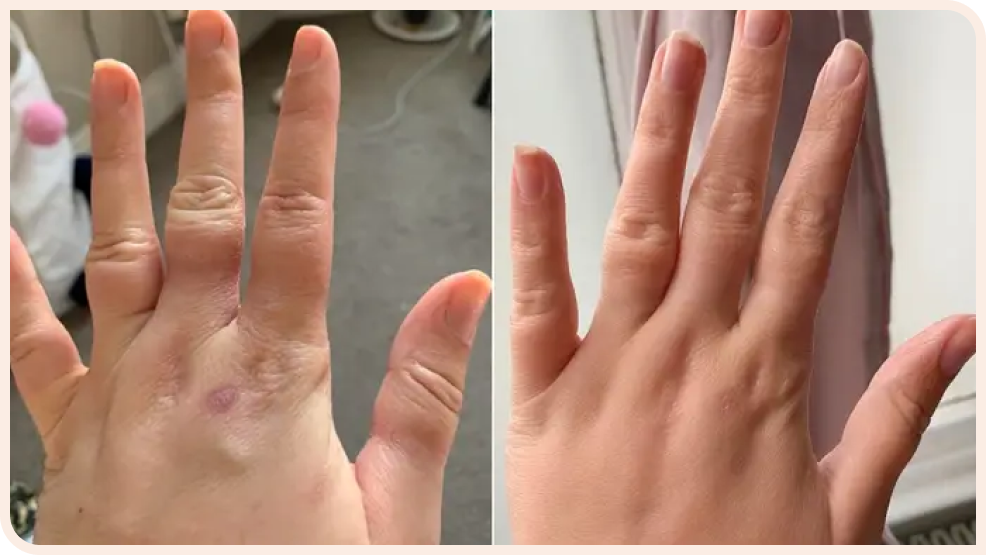
5. Hand Eczema (Dyshidrotic / Pompholyx)
Common triggers: Emotional stress, heat and sweating, contact with nickel (coins, jewellery), detergents, rubber gloves. Very common in Pune’s summer months.
Treatment: Potent topical corticosteroids for blisters. Cool water soaks. Topical calcineurin inhibitors for maintenance. Patch testing to identify metal or chemical allergens.
Why Eczema Is Common in Baner, Aundh and the Pune IT Corridor
- Hard water in Baner and PCMC
- Air-conditioned office environment
- Stress - significant in the Pune IT corridor
- Pune weather transitions
- Synthetic fabrics in professional clothing
How Eczema Is Diagnosed at Skinsure Clinic, Baner
Correct diagnosis is the foundation of effective eczema treatment. At Skinsure Clinic, Dr. Rashmi uses a structured assessment at every consultation:
Clinical examination
- The distribution pattern of the rash gives the first diagnostic clue – elbow creases and knee folds suggest atopic, hands and feet suggest contact or dyshidrotic, scalp and face suggest seborrhoeic
- Skin texture, moisture level and barrier integrity assessed by direct examination
- Dermatoscopy where needed – magnified examination of the rash surface to confirm the diagnosis and rule out other conditions like psoriasis or tinea that can mimic eczema
Trigger and history assessment
- Full history of when eczema started, what makes it better or worse, occupation, hobbies and products used
- Water source – hard water areas in Baner and PCMC are specifically asked about
- Stress levels and work environment – particularly relevant for Pune IT professionals
- Family history – atopic dermatitis has a strong genetic component; a family history of eczema, asthma or hay fever is significant
Patch testing (for suspected contact dermatitis)
- A series of common allergens applied to the back and read at 48 hours and 96 hours
- Identifies the specific substance causing allergic contact dermatitis
- Essential for patients who develop eczema after using a new product or on specific areas like earlobes, wrists or hairline
- Arranged at Skinsure Clinic for patients where contact allergy is suspected
results
Eczema Treatment Approach at Skinsure Clinic, Baner, Pune
Step 1 – Control the active flare
- Prescription topical corticosteroids – the correct potency for the body area and age of the patient. Face and children require weaker formulations; body and chronic thick plaques may need stronger ones. Never self-prescribe.
- Topical calcineurin inhibitors (tacrolimus, pimecrolimus) – steroid-sparing agents for the face and skin folds where repeated steroid use carries higher risk of side effects
- Wet wrap therapy for severe flares – moisturiser applied under damp bandaging to maximise skin hydration and medication absorption
- Oral antihistamines for intense itch that disturbs sleep – particularly important for children
Step 2 – Restore the skin barrier
- A prescription-grade barrier repair moisturiser applied immediately after bathing while the skin is still slightly damp – seals moisture in
- Ceramide-containing moisturisers preferred – ceramides are the natural lipids that form the skin barrier and are deficient in atopic skin
- Applied twice daily as a baseline – not just during flares. Consistent moisturisation between flares is what reduces flare frequency
- Bathing protocol: lukewarm water, non-soap cleanser, short bath time, pat dry gently
Step 3 – Identify and reduce triggers
- Specific trigger identification for each patient – not generic advice
- Hard water management: chelating shampoo, water softener filter for shower, gentle soap-free cleansers
- Fabric guidance: cotton and natural fibres, loose-fitting clothing
- Product review: identify and replace any sensitising skincare, laundry detergents or personal care products
- Stress management discussion – referral to psychodermatology resources where stress is a major driver
Step 4 – Long-term management plan
- Most eczema – particularly atopic dermatitis – is a chronic condition. The goal is control, not cure.
- Rashmi provides a written maintenance plan at every consultation – what to do during a flare, what to do between flares and when to come back
- Patients are given clear criteria for when to call the clinic between appointments – not left to guess
- Seasonal pre-planning: stepping up moisture routine before Pune winters and pre-monsoon transitions
FREQUENTLY ASKED QUESTIONS
Eczema Treatment with - Skinsure Clinic, Baner Road, Pune
Skinsure Clinic is at 7th Floor, Lunawat Apex, Baner Road, behind the Nexa showroom, Sadhu Vaswani Nagar, Aundh, Pune 411007. Patients visit for eczema treatment from across western Pune and PCMC: