

How Skin Analysis Technology Improves Treatment Results

Gone are the days of guessing what your skin needs. Modern skin analysis treatment uses sophisticated imaging systems to reveal conditions invisible to the naked eye, enabling dermatologists to create truly personalized care plans. This technology-driven approach transforms skincare from trial-and-error into precision medicine.

The Evolution of Dermatology Diagnostics

Traditional skin assessment relied on visual examination and patient reporting—subjective methods that missed subsurface issues until they became visible problems. Skin analysis technology revolutionized this approach by providing objective, quantifiable data about skin health at multiple levels.

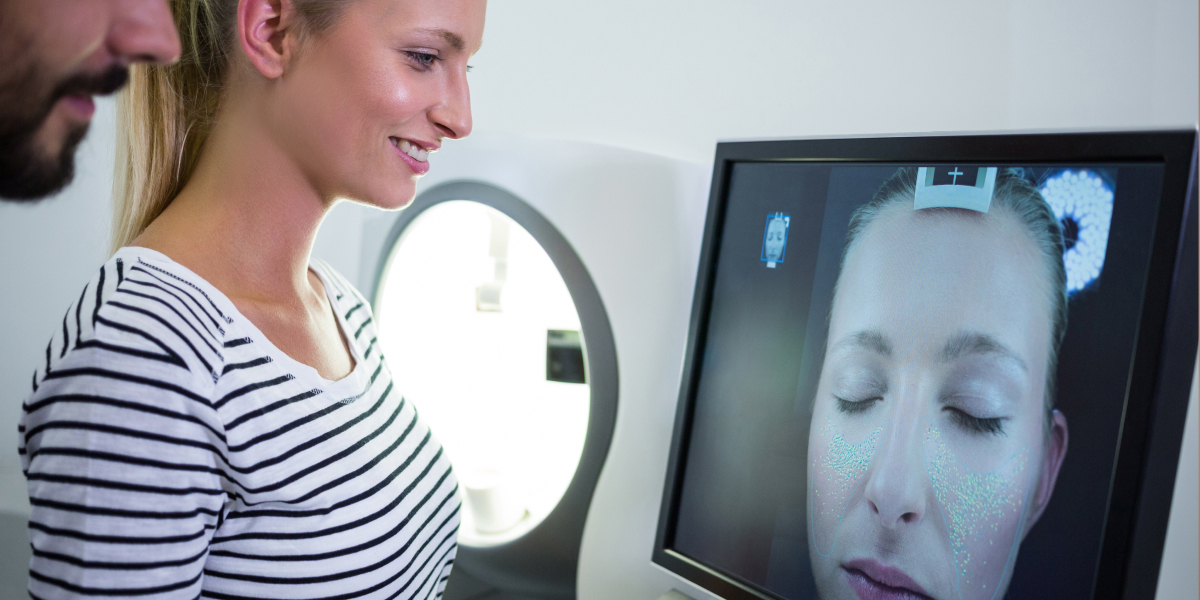
Contemporary dermatology diagnostics employ various imaging modalities to assess different skin characteristics. These systems analyze pigmentation patterns, texture irregularities, pore size distribution, hydration levels, oil production, inflammation markers, and vascular conditions with remarkable precision.

This technological advancement means dermatologists can identify issues like free radical damage from pollution exposure before visible signs appear, allowing preventive intervention rather than reactive treatment.

Types of Skin Analysis Technology

Several imaging systems dominate modern dermatology. RGB photography captures standard visible light images documenting surface conditions like texture and pigmentation. These baseline images track treatment progress objectively over time.

UV photography reveals subsurface pigmentation and sun damage invisible under normal lighting. This technology exposes hidden melasma, UV-induced DNA damage, and areas prone to future pigmentation problems, helping dermatologists prevent issues before they surface.

Polarized light imaging separates surface reflection from subsurface skin features, allowing clearer visualization of vascular conditions, redness patterns, and inflammation. This proves particularly valuable when assessing conditions like rosacea or identifying irritation from environmental stressors.

Advanced systems incorporate 3D imaging and cross-polarized light analysis, providing comprehensive assessment across multiple skin parameters simultaneously. These sophisticated platforms generate detailed reports quantifying specific concerns and tracking improvement with mathematical precision.

How Skin Analysis Treatment Works

Your initial consultation begins with comprehensive imaging using skin analysis technology. The process is non-invasive, typically taking 10-15 minutes to capture multiple images from different angles and lighting conditions.

Software analyzes these images, generating reports that score various skin parameters against population norms. You’ll see objective measurements of concerns you may have noticed subjectively—like exactly how much hyperpigmentation exists or precise pore size measurements in different facial zones.

Dermatology diagnostics reveal patterns you might never have connected. For example, analysis might show that what you perceive as “sensitivity” actually stems from dehydration in your cheek area combined with barrier dysfunction along your jawline—requiring different treatment approaches for each zone.

This data-driven approach enables truly personalized treatment protocols. Rather than generic recommendations, your dermatologist designs interventions targeting your specific issues at appropriate intensities, whether addressing stress-induced inflammation or optimizing conditions for glass skin treatment.

Benefits of Technology-Driven Skincare

Precision targeting eliminates wasted effort on issues you don’t actually have while intensifying focus on your real concerns. If skin analysis treatment reveals minimal UV damage but significant dehydration, your protocol emphasizes hydration over brightening—saving time and money.

Objective progress tracking motivates continued compliance. Seeing numerical improvements in texture scores or pigmentation percentages provides concrete evidence that your treatment works, even before changes become visually obvious. This data-driven validation encourages consistency during the patience-testing early treatment phases.

Early problem detection allows preventive intervention. Skin analysis technology identifies developing concerns while they’re still easily addressable. Catching UV damage in early stages prevents melasma formation. Detecting barrier weakening before inflammation occurs prevents conditions from establishing.

Integrating Analysis Into Treatment Plans

Skin analysis treatment isn’t a one-time event—it’s an ongoing diagnostic tool throughout your skincare journey. Initial comprehensive analysis establishes baseline measurements and identifies priority concerns. Follow-up analysis every 6-12 weeks tracks progress objectively and allows protocol adjustments based on data rather than subjective impressions.

Dermatologists use this information to calibrate treatment intensity. If analysis shows your barrier improving, they might increase active ingredient concentrations. If inflammation markers rise, perhaps due to seasonal transitions, protocols adjust to prioritize soothing and repair over active treatments temporarily.

This dynamic approach optimizes results while minimizing side effects. Dermatology diagnostics prevent over-treating areas that have already improved while ensuring persistent concerns receive adequate attention.

What Skin Analysis Reveals About Your Concerns

Pigmentation analysis distinguishes between epidermal (surface) and dermal (deeper) pigmentation, determining appropriate treatment approaches. Surface pigmentation responds to exfoliating treatments, while deeper pigmentation requires longer-term interventions like laser therapy.

Texture mapping quantifies roughness, identifies specific areas of concern, and tracks improvement in mathematical terms. This proves especially valuable when pursuing smooth, refined skin texture for optimal radiance.

Vascular analysis assesses redness patterns, identifies telangiectasia (visible blood vessels), and evaluates overall inflammation levels. This information guides treatment for conditions ranging from rosacea to general sensitivity.

Hydration and barrier function measurements identify compromised areas requiring repair, distinguish dehydration from oil imbalance, and guide moisturizer selection based on actual needs rather than assumptions.

Choosing a Clinic with Advanced Diagnostics

Not all skin analysis technology offers equal sophistication. When selecting a dermatology provider, inquire about their imaging systems and whether they provide detailed reports you can review. Advanced clinics should explain findings comprehensively and show you actual images rather than just verbal descriptions.

Look for providers who integrate dermatology diagnostics into ongoing treatment rather than performing one-time analysis. Regular reassessment ensures your protocol evolves with your skin’s changing needs, maintaining optimal results long-term.

The Future of Personalized Skincare

Skin analysis treatment represents the present and future of dermatology. As artificial intelligence integration improves, these systems will predict skin aging patterns and potential concerns with even greater accuracy, enabling truly preventive skincare.

Emerging technologies will analyze genetic markers alongside imaging data, creating protocols optimized for your unique biology. This level of personalization transforms skincare from standardized recommendations into genuinely individualized medicine.

Conclusion

Skin analysis technology elevates dermatology from art to science, providing objective data that guides precise, personalized treatment. By investing in skin analysis treatment, you ensure every product and procedure targets your actual concerns rather than perceived issues, maximizing results while minimizing wasted effort. This technology-driven approach represents the smartest investment you can make in your skin’s long-term health and appearance.
4.5
Based on 133 reviews
powered by Google
deepa shinde
12:16 01 Oct 24
Siyaa Deshmukh
09:27 28 Sep 24
Detailed consultancy
Minaxi Punjabi
08:59 07 Sep 24
Understanding the personal and psychological context and needs of the person and supporting them at every level of discovery and healing
Rajlaxmi Khanvilkar
10:09 02 Sep 24
Thank you so much for turning my skin around!!! You are truly gifted doctor 🙏
Nikeeta Nayak
12:38 26 Aug 24
Very patient ,understanding and supportive..thank you Dr Rashmi.
roshan bhatia
01:17 07 Aug 24
Dr Rashmi and her team are skin obsessed! They have an incredible array of treatments and I am yet to find a doctor, that combines such a warm, friendly and calming environment, with such advanced and expert treatments. Dr Rashmi and her team have taught me so much about my skin and skin health in general and a combination of their amazing treatments and personalised regime has left my skin the best its ever been.I have entrusted them with preparing me for some of the biggest events of my life and I couldn’t have been happier. I love recommending Skinsure to friends and family and I always look forward to my next appointment!!!
smita modak
08:28 03 Aug 24
Dr Rashmi mam is very kind and generous. I have been visiting since 2 years and have got good results... Satisfied with the Treatment
Teknova Biocare
10:46 29 Jul 24
I consulted Dr Rashmi lohiya for hair fall. She is a very nice and humble doctor. she explain me very well and gives genuine advice. After 3 months of medication I am very happy with the results. Thank u Dr .
Neha Laddha
14:41 19 Jul 24
I consulted Dr Rashmi for my face laser hair reduction & have had an excellent experience . Dr Rashmi’s expertise have helped me have 4 very successful & result driven sessions . I am glad to have chosen her as my dermat , along with her competence , knowledge & skill she had also been extremely compassionate & patient with my concerns .Thank you . Looking forward to a great assosiactiom .
Preity Mody
06:22 11 Jul 24
Dr Rashmi Lohiya gives genuine and Honest medical advice and treatments for Skin and Hair . I have got excellent results for skin treatments I have taken from her .
js_loader

FAQ

Cosmetic skin analysis typically isn't covered, though diagnostic imaging for medical conditions like skin cancer may be. Check with your provider and insurance company.
Initial comprehensive analysis followed by assessments every 6-12 weeks during active treatment optimizes results. Annual analysis maintains long-term skin health.
While some systems assist in identifying suspicious lesions, dermatology diagnostics for cancer require specialized dermoscopy and often biopsy confirmation.
Yes, skin analysis technology uses non-invasive light-based imaging safe for all skin types without causing damage or discomfort.
Costs vary by location and system sophistication, ranging from complimentary basic analysis to several thousand rupees for comprehensive multi-modal imaging.
Scroll to Top
Call Now Button