


deepa shinde
2 years ago
Siyaa Deshmukh
2 years ago
Detailed consultancy
Minaxi Punjabi
2 years ago
Understanding the personal and psychological context and needs of the person and supporting them at every level of discovery and healing
Rajlaxmi Khanvilkar
2 years ago
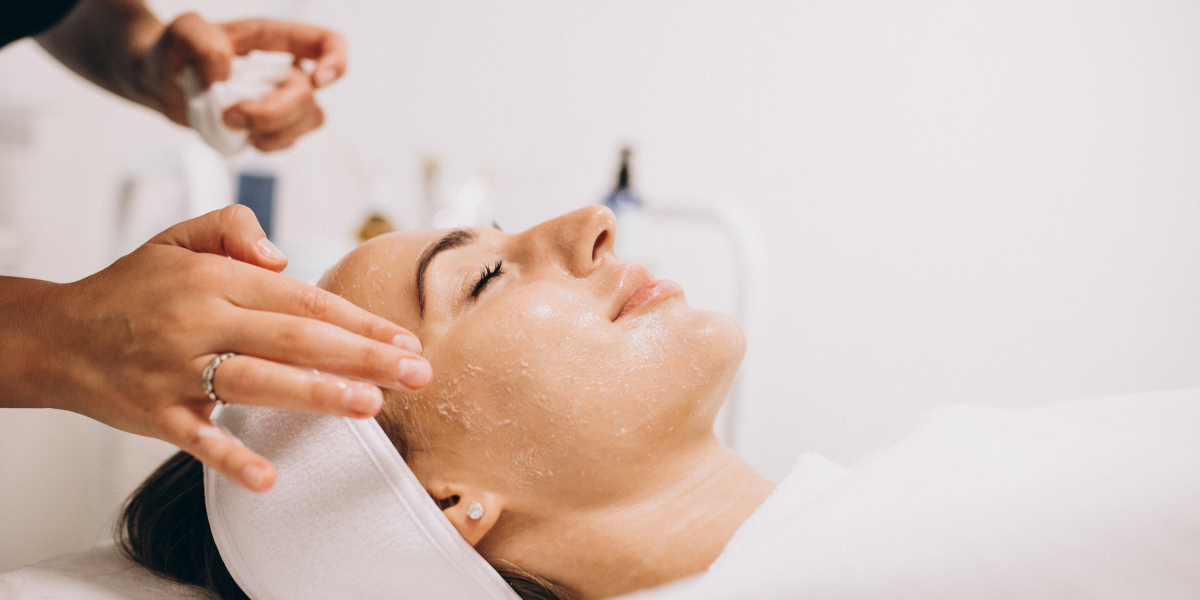
Thank you so much for turning my skin around!!! You are truly gifted doctor 🙏
Nikeeta Nayak
2 years ago
Very patient ,understanding and supportive..thank you Dr Rashmi.
roshan bhatia
2 years ago
Dr Rashmi and her team are skin obsessed! They have an incredible array of treatments and I am yet to find a doctor, that combines such a warm, friendly and calming environment, with such advanced and expert treatments. Dr Rashmi and her team have taught me so much about my skin and skin health in general and a combination of their amazing treatments and personalised regime has left my skin the best its ever been.
I have entrusted them with preparing me for some of the biggest events of my life and I couldn’t have been happier. I love recommending Skinsure to friends and family and I always look forward to my next appointment!!!
I have entrusted them with preparing me for some of the biggest events of my life and I couldn’t have been happier. I love recommending Skinsure to friends and family and I always look forward to my next appointment!!!
smita modak
2 years ago
Dr Rashmi mam is very kind and generous. I have been visiting since 2 years and have got good results... Satisfied with the Treatment
Teknova Biocare
2 years ago
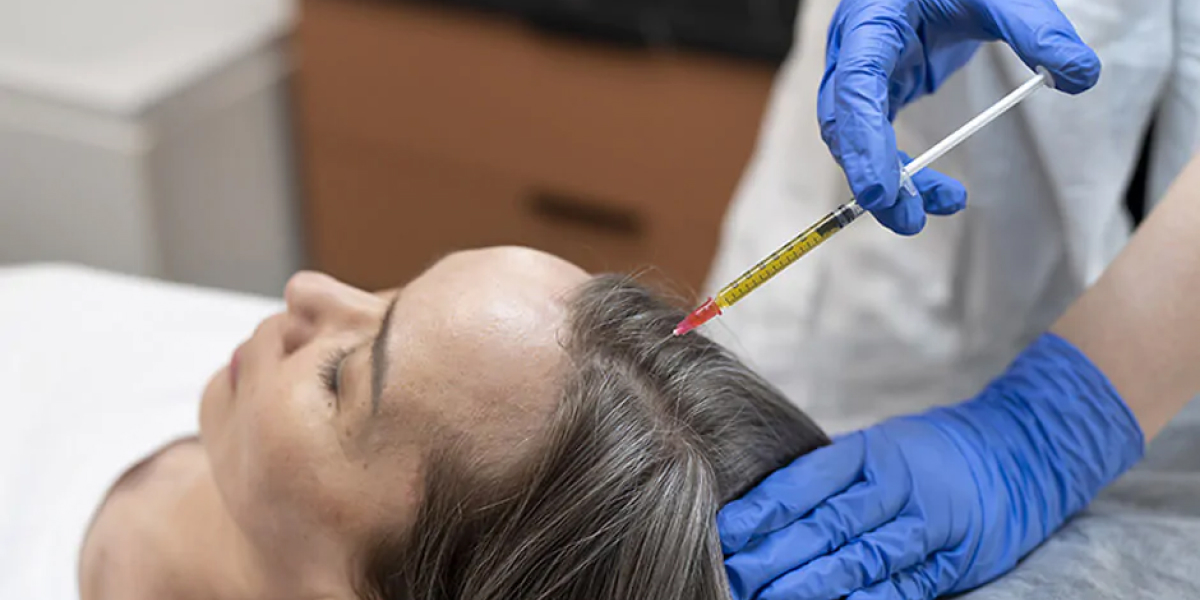
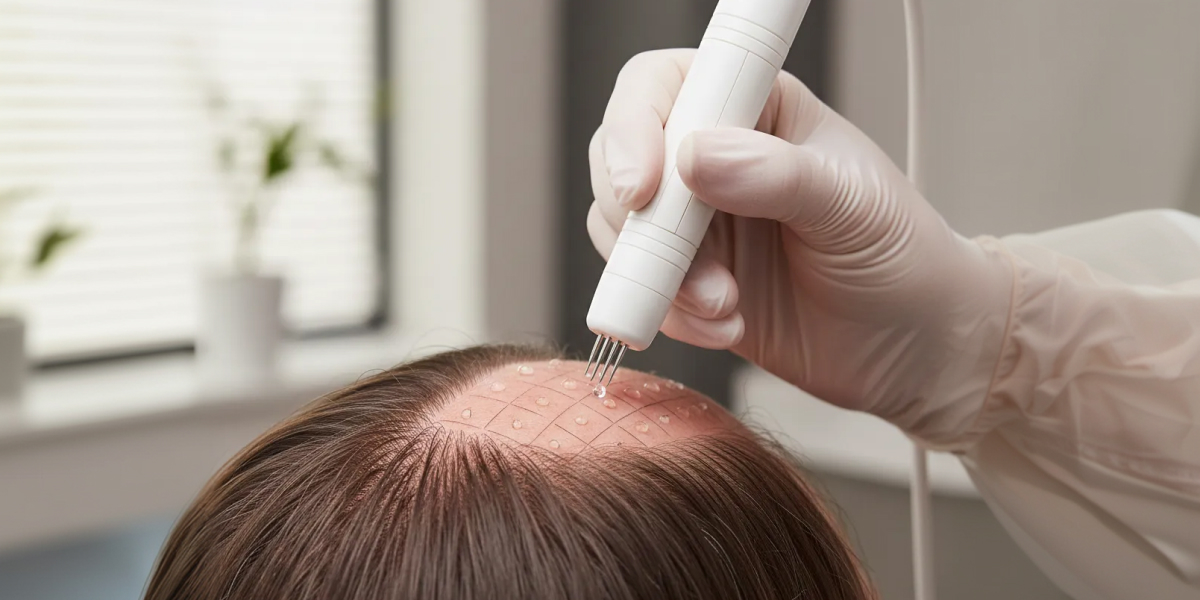
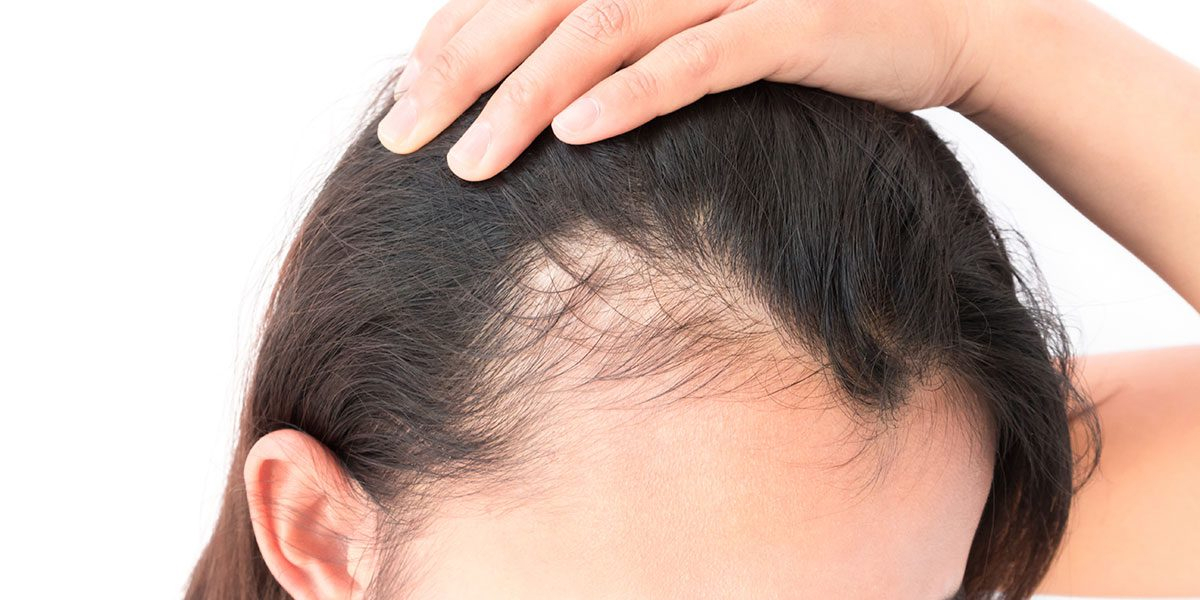
I consulted Dr Rashmi lohiya for hair fall. She is a very nice and humble doctor. she explain me very well and gives genuine advice. After 3 months of medication I am very happy with the results. Thank u Dr .
Neha Laddha
2 years ago
I consulted Dr Rashmi for my face laser hair reduction & have had an excellent experience . Dr Rashmi’s expertise have helped me have 4 very successful & result driven sessions . I am glad to have chosen her as my dermat , along with her competence , knowledge & skill she had also been extremely compassionate & patient with my concerns .
Thank you . Looking forward to a great assosiactiom .
Thank you . Looking forward to a great assosiactiom .
Preity Mody
2 years ago
Dr Rashmi Lohiya gives genuine and Honest medical advice and treatments for Skin and Hair . I have got excellent results for skin treatments I have taken from her .