
Understanding the Glass Skin Phenomenon
Originating as a korean skin trend, glass skin describes a complexion so smooth, clear, and luminous that it appears almost translucent, like glass. This aesthetic isn’t about heavy makeup or temporary filters—it’s about genuinely healthy skin with refined texture, even tone, and optimal hydration.
Achieving this level of perfection requires more than surface-level treatments. True glass skin reflects excellent barrier function, balanced oil production, minimal inflammation, and robust cellular renewal. Dermatologists approach this goal systematically, addressing underlying issues while enhancing skin’s natural radiance.
The Science Behind Lasting Radiance
Glow treatments work by targeting multiple skin layers simultaneously. The epidermis requires exfoliation to remove dull, dead cells that scatter light irregularly. The dermis needs stimulation to produce collagen and elastin, creating the structural support for smooth, plump skin. The skin barrier must function optimally to retain moisture and reflect light uniformly.
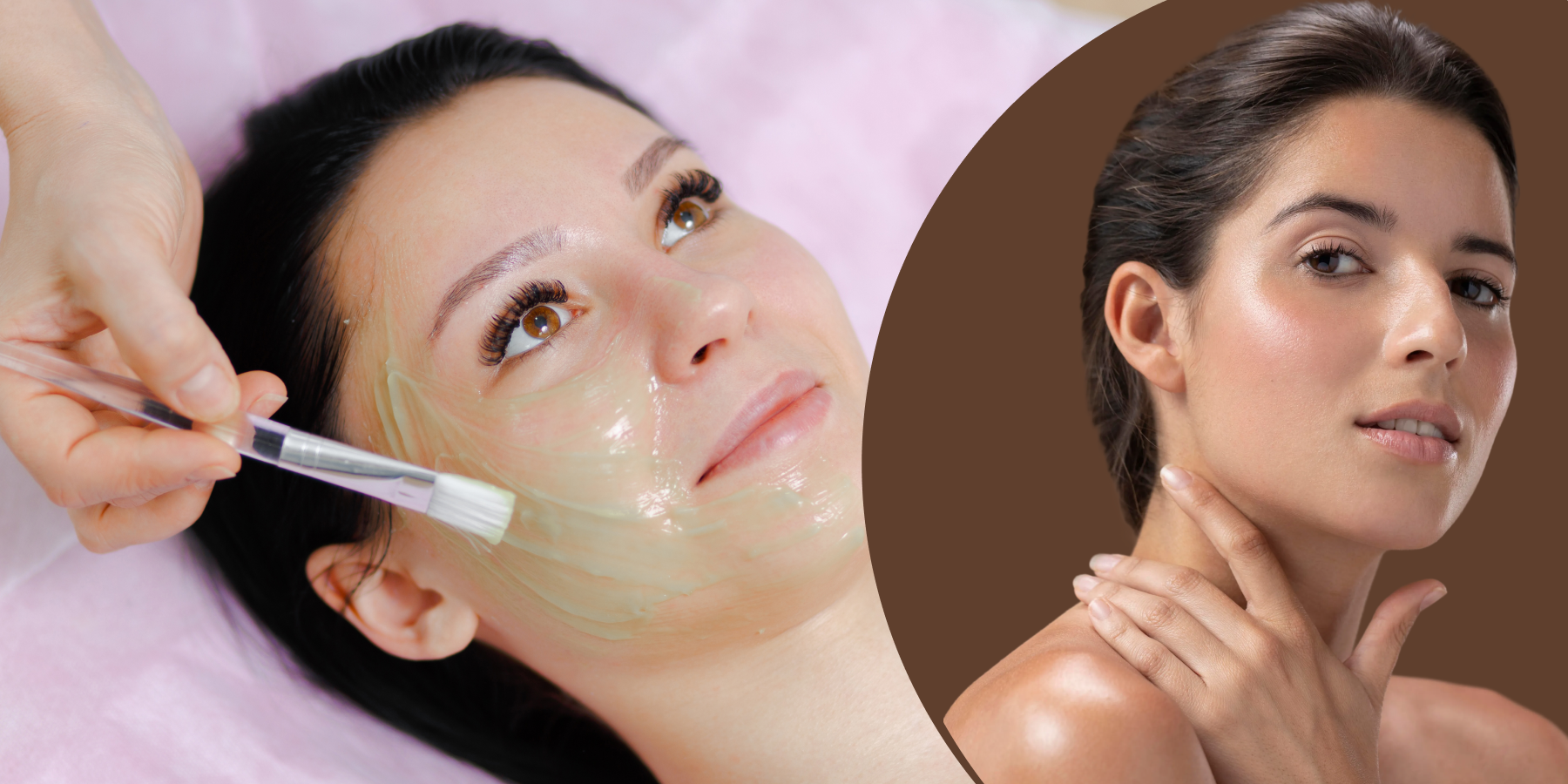
Professional glass skin facial protocols combine these approaches through carefully sequenced treatments. Unlike single-purpose procedures, comprehensive glow treatments address hydration, texture, pigmentation, and skin health in integrated sessions.
Modern dermatology recognizes that lasting results require maintenance. Just as pollution continuously damages skin, environmental and lifestyle factors constantly challenge your complexion’s clarity. Sustainable glass skin comes from ongoing care rather than one-time interventions.
Professional Glass Skin Treatment Protocols
Dermatologist-led glass skin treatment typically begins with thorough assessment using advanced skin analysis technology. This identifies specific concerns like dehydration, texture irregularities, or pigmentation that might prevent achieving optimal glow.
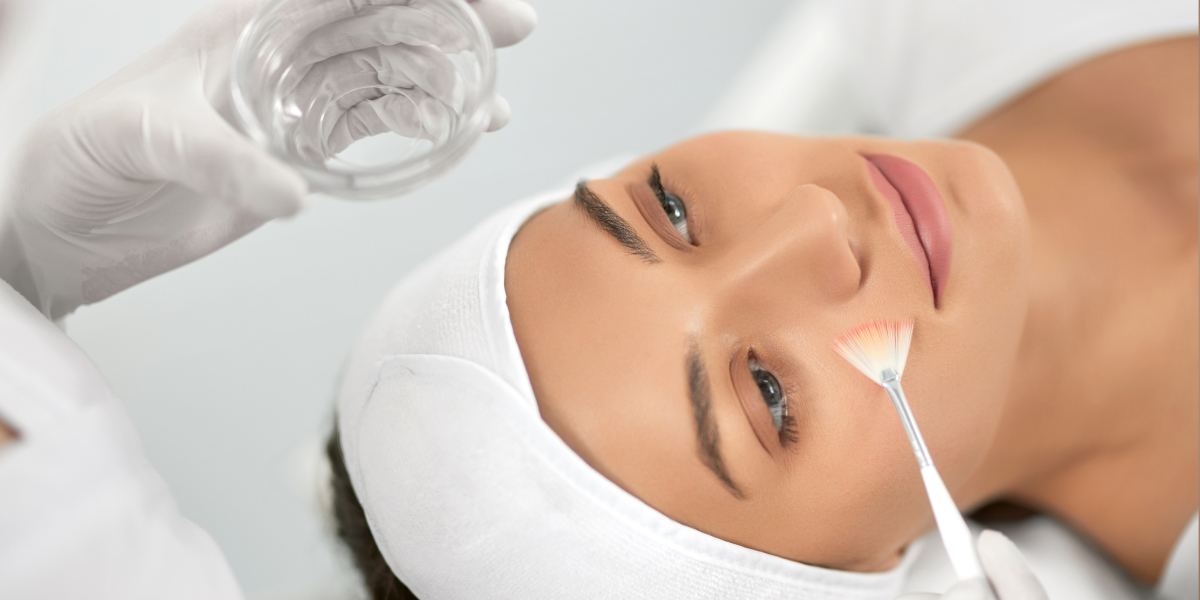
Treatment phases often include deep exfoliation through chemical peels or microdermabrasion to refine texture, hydration infusion using hyaluronic acid or other humectants delivered via mesotherapy or micro-needling, brightening treatments targeting pigmentation with ingredients like tranexamic acid or alpha arbutin, and barrier repair using ceramides and lipid-rich formulations to seal in results.
The glass skin facial has evolved beyond traditional facials to incorporate medical-grade technologies. LED therapy stimulates collagen production while reducing inflammation. Ultrasound or radiofrequency devices enhance product penetration and tighten skin structure. Oxygen infusion delivers concentrated nutrients while plumping the skin.
Comparing DIY and Professional Approaches
Home care plays a vital role in maintaining glow treatments results, but professional interventions achieve transformations impossible with retail products alone. Medical-grade formulations contain higher concentrations of active ingredients with better penetration technology. Professional devices work at depths and intensities that home tools cannot safely replicate.
The korean skin trend emphasizes consistent, gentle care with multiple product layers. While this approach benefits maintenance, it cannot address structural concerns like significant texture irregularities or deep pigmentation. Combining professional glass skin treatment with diligent home care delivers optimal, lasting results.
Building Your Glow-Maintenance Routine
Between professional sessions, your daily routine sustains progress. Morning routines should include gentle cleansing that preserves your skin barrier, hydrating toner or essence to prep skin for absorption, vitamin C serum for brightening and antioxidant protection, and lightweight moisturizer with SPF to protect your investment.
Evening routines focus on repair with thorough double cleansing to remove impurities, exfoliating treatment 2-3 times weekly, hydrating serum with hyaluronic acid or peptides, and rich moisturizer or sleeping mask to lock in moisture overnight.
Consistency matters more than product quantity. The korean skin trend’s famous 10-step routine isn’t necessary—focus on quality products that address your specific needs. Consider how seasonal changes might require routine adjustments to maintain your glow year-round.
Realistic Expectations and Timeline
Glass skin treatment results appear gradually. Initial improvements in hydration and radiance may emerge within days, but significant texture refinement and tone evening require 4-8 weeks of consistent treatment. Structural improvements like collagen remodeling take 3-6 months to become apparent.
Maintenance is essential. Even after achieving your desired glow, regular professional treatments every 4-8 weeks preserve results. Think of it as investing in your skin’s long-term health rather than chasing temporary perfection.
Avoiding Common Pitfalls
Over-exfoliation remains the biggest obstacle to glass skin. Despite seeming counterintuitive, aggressive exfoliation damages your barrier, leading to dullness, sensitivity, and inflammation—exactly what you’re trying to avoid. Trust your dermatologist’s protocol rather than adding extra treatments.
Neglecting sun protection undermines all glow treatments. UV damage creates pigmentation, breaks down collagen, and thickens skin texture. Daily broad-spectrum SPF is non-negotiable for maintaining glass skin.
Similar to how stress can trigger skin issues, lifestyle factors significantly impact your results. Poor sleep, inadequate hydration, and inflammatory diets sabotage even the best professional treatments.