
Melasma Treatment

Melasma Treatment in Baner, Pune - Layered Care at Skinsure Clinic
If you have been told your melasma can be fixed with a laser session or two, you have been given incomplete information. Melasma is one of the most mismanaged skin conditions in cosmetic dermatology – because it is commonly treated as a simple pigmentation problem when it is actually a hormonal and photosensitive condition that requires a completely different approach.
Melasma responds to three things acting together: suppressing new melanin production with prescription topicals, reducing existing pigmentation with in-clinic procedures and blocking the UV exposure that drives the whole process with daily SPF. Take away any one of these three and the other two are significantly less effective.
At Skinsure Clinic in Baner, Pune, Dr. Rashmi Soni Lohiya treats melasma as a chronic condition requiring a maintenance plan – not a one-time fix. Patients who have been through multiple laser sessions elsewhere without lasting improvement come to the Baner clinic specifically because this layered approach gives different results.
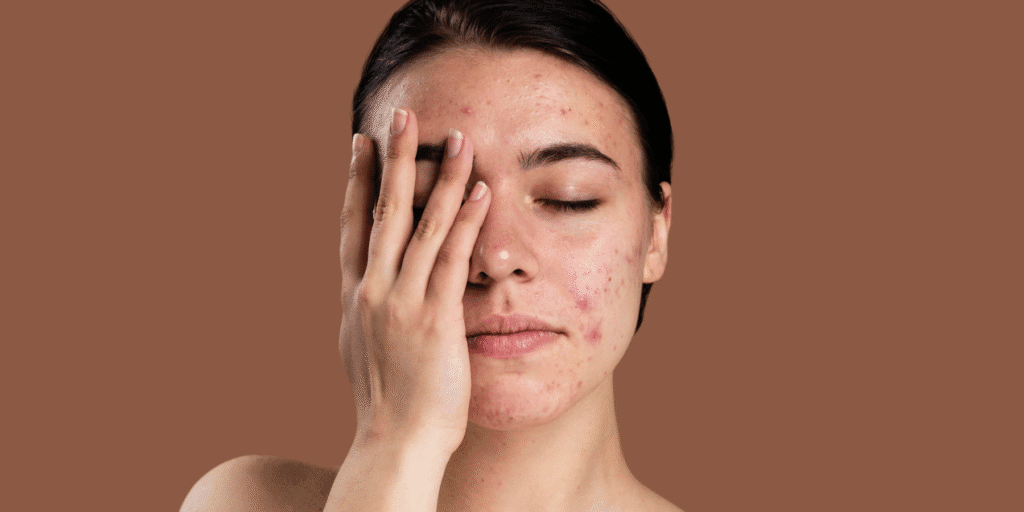
What Is Melasma and Why Does It Keep Coming Back?
Melasma is a form of hyperpigmentation caused by overactive melanocytes – the skin cells that produce pigment. In melasma, these cells produce too much melanin in response to two triggers working together: hormonal changes and UV exposure. Neither trigger alone causes melasma in most patients. It is the combination that activates it.
The result is brown or grey-brown patches – typically on the cheeks, forehead, upper lip, nose bridge and chin. The distribution follows a recognisable pattern in most patients. Melasma is more common in women, particularly during pregnancy, while taking oral contraceptive pills or during perimenopause. It also affects men, though less frequently.
The reason melasma keeps coming back after treatment is that neither trigger goes away permanently. If the hormonal component is still active and the patient still has sun exposure – even through glass, even on cloudy days – the melanocytes that were calmed by treatment become reactivated. This is why Dr. Rashmi calls melasma a managed condition rather than a cured one.
Epidermal vs Dermal Melasma
Melasma can be superficial (epidermal) – sitting in the upper layers of the skin – or deep (dermal) – sitting in the deeper dermis. Epidermal melasma responds well to topical treatment and laser. Dermal melasma is harder to treat because laser cannot reach it effectively and topicals penetrate it poorly. Many patients have mixed-type melasma. A Wood’s lamp examination and clinical assessment allow Dr. Rashmi to determine the depth before deciding on the treatment approach.
Stay in the touch.
Unlock the secrets to radiant skin by staying in touch with Skinsure Clinic. Join our community for expert skincare tips, exclusive offers, and the latest updates on revolutionary treatments
What Causes Melasma and What Makes It Worse
Primary Triggers
- Hormonal changes from pregnancy - often called chloasma or "mask of pregnancy"
- Oral contraceptive pills (OCP) - oestrogen and progesterone stimulate melanocyte activity
- Hormone replacement therapy (HRT) during perimenopause or menopause
- Thyroid disorders - an association between hypothyroidism and melasma is documented
- Genetic predisposition - melasma runs in families
Factors That Worsen Existing Melasma
- Any UV exposure - even brief, even on overcast days, even through car windows
- Heat - including from cooking, saunas and hot yoga, which can independently trigger melanocyte activity
- Certain photosensitising skincare ingredients - some retinoids, AHAs and fragrances when used without adequate SPF
- Stress - cortisol has a modest stimulating effect on melanocytes
- Aggressive laser or peel treatment without prior medical preparation - can trigger a post-inflammatory flare
The Melasma Treatment Plan at Skinsure Clinic, Baner
Melasma treatment at Skinsure Clinic follows a structured, layered protocol. Each step supports the others – skipping any one significantly reduces the overall result.
1. Medical Preparation Phase (Weeks 1 to 6)
Before any in-clinic procedure, Dr. Rashmi starts a prescription topical protocol. This typically includes a combination of hydroquinone (4% or compounded formulation), retinoid, azelaic acid and Vitamin C applied at specific times of day. The purpose is to calm the overactive melanocytes and suppress new melanin production before laser is introduced. Starting laser without this preparation phase risks triggering a post-inflammatory flare that temporarily worsens the melasma.
2. SPF Protocol - Mandatory From Day One
A broad-spectrum SPF 50 or higher sunscreen – preferably a tinted physical sunscreen containing zinc oxide – is started immediately and used every morning without exception throughout the treatment course. No other element of melasma treatment works adequately without daily SPF. UV exposure on untreated days undoes in-clinic progress.
3. Q-Switch Laser Sessions
Once the skin has been prepared with 4 to 6 weeks of topical treatment, Q-Switch Nd:YAG laser sessions begin. The laser is used at low-fluence settings specifically for melasma – higher settings risk a paradoxical darkening in darker Indian skin. Sessions are spaced 3 to 4 weeks apart. The laser targets the existing melanin deposits and breaks them down for gradual elimination by the body’s immune system. Typically 4 to 8 sessions are needed depending on the depth and severity.
4. Chemical Peels (Alternating with Laser)
Superficial chemical peels using mandelic acid, lactic acid or a glycolic-kojic combination are alternated with laser sessions in many patients. Peels accelerate surface melanin removal, improve skin texture and enhance the penetration of topical brightening products. They are well-tolerated by Indian skin when selected correctly.
5. Maintenance Phase
Once significant clearance is achieved, the active treatment frequency reduces but does not stop. A maintenance topical protocol, continued SPF use and periodic top-up sessions – typically every 3 to 4 months – keep melasma in remission. Patients who stop all treatment and SPF when the skin looks clear typically see recurrence within 2 to 3 months.
How Long Does Melasma Treatment Take to Work?
Melasma is a slow condition to treat. Patients who expect dramatic improvement in 2 to 3 sessions will be disappointed. Those who understand the timeline and stay consistent see genuinely impressive results.
- ● Weeks 1 to 6 (preparation phase): mild brightening from topicals. No in-clinic procedures yet.
- ● Sessions 1 to 3 (months 2 to 3): treated areas begin to lighten gradually. Some darkening in the first week post-laser is normal and expected.
- ● Sessions 4 to 6 (months 3 to 5): significant clearance in most patients with epidermal melasma. Dermal component improves more slowly.
- ● Month 6 onwards: maintenance phase. Skin stable with regular SPF and periodic top-ups.
- ● Full treatment course assessment: 9 to 12 months for patients with moderate to severe melasma.
After Q-Switch laser sessions: do not be alarmed if the treated area darkens slightly in the first week. This is the melanin pigment moving to the surface before it is shed. It settles within 7 to 10 days and the area is noticeably lighter afterwards. This temporary darkening is expected and is not a sign the treatment is not working.
Frequently Asked Questions - Melasma Treatment in Pune
Melasma recurs because the triggers - hormonal activity and UV exposure - remain active even after the existing pigmentation is cleared by laser. The laser removes what is already there, but if the melanocytes are still being stimulated by hormones or sunlight, they will produce new pigment. This is why laser alone, without a prescription topical protocol and strict daily SPF, gives a temporary result that fades within weeks to months. At Skinsure Clinic in Baner, Dr. Rashmi treats melasma as a chronic condition requiring ongoing management - not a one-time procedure.
Some prescription ingredients commonly used for melasma - including hydroquinone and retinoids - are not recommended during pregnancy or breastfeeding. However, melasma can still be safely managed during this period with azelaic acid, Vitamin C, niacinamide and strict daily SPF using a mineral (zinc oxide) sunscreen. In-clinic laser and peel treatments are deferred until after breastfeeding is complete. Dr. Rashmi will advise on safe topical options for managing active melasma throughout pregnancy and postpartum at the consultation.
A realistic melasma treatment timeline at Skinsure Clinic is 6 to 12 months for patients with moderate to severe melasma. The first 4 to 6 weeks are the medical preparation phase - prescription topicals and SPF, no in-clinic procedures. Laser sessions begin at week 6 and continue every 3 to 4 weeks. Most patients see significant improvement by month 4 to 6. Patients with mixed epidermal and dermal melasma take longer. A maintenance plan is continued beyond initial clearance to prevent recurrence.
Yes - when used correctly. The key is using the Q-Switch laser at low-fluence settings specifically calibrated for melasma in darker skin. High-energy settings can trigger post-inflammatory hyperpigmentation in Indian skin tones, temporarily worsening the condition. Dr. Rashmi uses a conservative, controlled approach - beginning with lower settings, assessing the response at each visit and adjusting accordingly. The medical preparation phase with prescription topicals before laser begins is specifically designed to reduce the risk of this complication in darker skin.
Yes. Patients from Balewadi, Aundh, Wakad, Pashan, Hinjewadi, Pimple Saudagar and across PCMC visit Skinsure Clinic for melasma treatment. The clinic is at the 7th floor of Lunawat Apex, Baner Road, behind the Nexa showroom near Sadhu Vaswani Nagar, Aundh, Pune 411007. Call 099606 03380 to book your consultation.