
Oily scalp treatment

Oily Scalp Treatment in Baner, Pune - Sebum Control and Scalp Balance at Skinsure Clinic
If you are dealing with oily scalp in Baner, Pune, you know the routine: wash your hair in the morning, look presentable for work, then notice greasy, flat roots again by afternoon. It is frustrating – and for most patients, washing more frequently only seems to make it worse over time.
An oily scalp is not a hygiene problem. It is a sebum regulation problem. The sebaceous glands in the scalp are producing more oil than the scalp needs – and that excess oil changes the entire scalp environment: it clogs follicles, feeds the yeast that causes dandruff, weighs hair down and can eventually contribute to hair thinning if left unmanaged.
At Skinsure Clinic in Baner, Pune, Dr. Rashmi Soni Lohiya treats oily scalp by addressing the underlying sebum imbalance – not just the surface symptoms. The result is a scalp that stays clean longer, hair that has more volume and a scalp environment that is healthier overall.
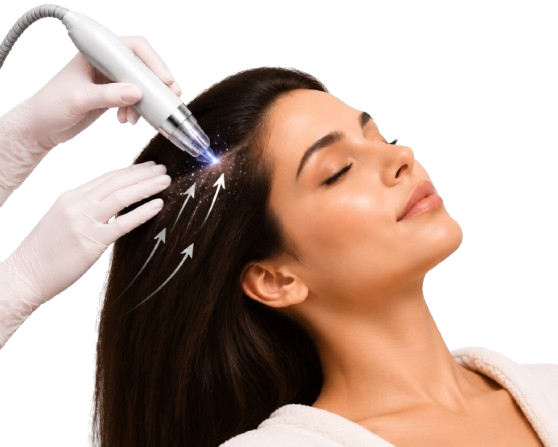
What Is an Oily Scalp and Why Does It Keep Coming Back?
Your scalp naturally produces sebum – an oil made by sebaceous glands that moisturises the scalp and protects the hair shaft. A certain amount of sebum is healthy and necessary. An oily scalp happens when these glands overproduce, flooding the scalp with more oil than it needs.
Why does the scalp overproduce sebum?
- Hormonal changes - androgens (testosterone and DHT) directly stimulate sebaceous gland activity. This is why oily scalp is common during puberty, pregnancy, PCOS and periods of hormonal imbalance
- Genetics - sebaceous gland size and activity is partly inherited
- Over-washing - frequent washing strips the scalp of its natural oils, which signals the glands to produce even more sebum as a compensatory response. This is the "washing makes it worse" cycle most patients describe
- Wrong shampoo - moisturising or conditioning shampoos designed for dry hair add additional lipids to an already oily scalp
- Diet - high glycaemic diets (refined carbohydrates, sugar, white rice, maida) are linked to increased sebum production through insulin and androgen pathways
- Stress - cortisol increases androgen levels which in turn stimulate sebaceous gland output
- Hot and humid weather - Pune summers and the monsoon period significantly increase scalp oil production
How Oily Scalp Leads to Hair Loss - the Connection Most Patients Do Not Know
This is the part of oily scalp management that most clinic pages never explain. An oily scalp is not just cosmetically inconvenient – if left unmanaged, it creates a chain of events that directly contributes to hair thinning.
Here is how it happens, step by step:
- Excess sebum accumulates around the hair follicle opening
- This sebum mixes with dead skin cells and product residue to form a plug at the follicle mouth
- The plugged follicle becomes the perfect environment for Malassezia yeast - the same yeast that causes dandruff - to multiply
- Yeast overgrowth triggers scalp inflammation around the follicle
- Chronic follicular inflammation causes the follicle to miniaturise over time - producing thinner, weaker hairs
- In people with genetic predisposition to hair loss, this inflammation significantly accelerates androgenetic alopecia
- Excess DHT - which also drives sebum overproduction - directly attacks the follicle base in the same patients
Oily Scalp Treatment Options at Skinsure Clinic, Baner, Pune
1. Correct Shampoo and Washing Protocol
- Anti-seborrhoea shampoos containing zinc pyrithione, selenium sulphide or salicylic acid to control sebum and yeast
- Washing frequency reduced to every 2 to 3 days - supervised reduction to allow gland normalisation
- Scalp-only application of shampoo - conditioner on lengths only, never the scalp
- Cool or lukewarm water - hot water increases sebum secretion
2. Prescription Scalp Sebum-Regulating Serums
- Topical prescription serums with niacinamide, zinc and salicylic acid applied to the scalp between washes
- These reduce sebaceous gland output at the scalp surface without systemic effects
- Applied to dry or towel-dried scalp and left in - not rinsed
3. Scalp Mesotherapy for Sebum Regulation
- Microinjections of DHT blockers, zinc, selenium and anti-inflammatory agents into the scalp
- Directly reduces sebaceous gland activity at the follicle level
- Particularly effective for patients where topical treatment alone does not hold the oil long enough
- Sessions: 4 to 6, spaced 2 to 3 weeks apart. Zero downtime.
- Result: scalp stays clean 30 to 50% longer between washes after completing the course
4. Diet Correction
- Reduce high-glycaemic foods - white rice, maida, sugar, packaged snacks - which increase insulin and androgen levels that drive sebum production
- Increase omega-3 fatty acids (fish, flaxseed, walnuts) - these have a documented anti-inflammatory and sebum-normalising effect
- Stay hydrated - low water intake is associated with increased sebum concentration
5. Hormonal Assessment and Management
- For women with oily scalp alongside irregular periods, hair thinning, acne or facial hair - PCOS is a common underlying cause
- Blood tests: testosterone, DHEAS, LH:FSH ratio, thyroid panel, fasting insulin
- Where hormonal cause is confirmed, appropriate referral or in-clinic management alongside scalp treatment
Consult the Best Dermatologist in Baner - Dr. Rashmi Soni Lohiya for Oily Scalp Treatment in Baner, Pune
For lasting oily scalp treatment in Baner, Pune, the approach needs to go beyond shampoo recommendations. Dr. Rashmi Soni Lohiya at Skinsure Clinic treats oily scalp as a sebum regulation and scalp microenvironment problem – addressing the root cause, not just the greasy surface.
What makes the approach at Skinsure Clinic different:
- Trichoscopy at every visit - scalp examined under magnification to assess sebum distribution, follicle condition and any inflammation
- Hormonal screening for women - PCOS and androgen excess are common causes of oily scalp in women from Baner, Aundh and Wakad and are frequently missed
- Diet review - patients are asked specifically about their diet, not just their hair care routine
- Washing frequency counselling - Dr. Rashmi works with the patient to safely reduce washing frequency while managing the transition period
- GFC or PRP added for patients where oily scalp has contributed to hair loss - treats both the scalp and the follicle simultaneously
Frequently Asked Questions - Oily Scalp Treatment in Baner, Pune
A scalp that gets oily within hours of washing usually has overactive sebaceous glands - this is often driven by hormones (androgens), genetics or, ironically, by washing too frequently. When you wash daily, you strip the scalp of its natural oils. The glands sense this and produce even more sebum to compensate - making the scalp oilier faster after each wash. This is called the rebound effect. At Skinsure Clinic in Baner, Dr. Rashmi breaks this cycle by adjusting washing frequency and prescribing a sebum-regulating shampoo and scalp serum protocol that normalises gland output over 4 to 8 weeks.
Yes - and this connection is more direct than most patients realise. Excess sebum accumulates around follicle openings, mixes with dead skin and product residue and creates a plugged follicle environment that feeds Malassezia yeast overgrowth. This yeast triggers chronic scalp inflammation around the follicle, which over time causes follicle miniaturisation and weaker, thinner hair. In patients already prone to genetic hair loss, the inflammatory and hormonal environment created by chronic oily scalp significantly accelerates the process. Managing oily scalp is therefore also part of managing hair loss in these patients.
Yes - this is one of the most common presentations seen in women at Skinsure Clinic in Baner. PCOS (Polycystic Ovary Syndrome) causes elevated androgen levels - the same hormones that stimulate sebaceous gland activity. Women with PCOS often have oily scalp alongside oily facial skin, acne, irregular periods and scalp hair thinning. If you are a woman with chronic oily scalp and any of these other symptoms, Dr. Rashmi includes a hormonal panel in the workup. Managing the hormonal cause alongside the local scalp treatment gives significantly better and more lasting results.
Most patients see a significant reduction in scalp oiliness within 4 to 6 weeks of starting the correct shampoo and prescription serum protocol. For patients needing scalp mesotherapy, 4 to 6 sessions spaced 2 to 3 weeks apart produce a lasting reduction in sebum production - most patients report the scalp staying clean 30 to 50% longer between washes after completing the course. Hormonal management, where indicated, takes 2 to 3 months to show full sebum-reducing benefit. Dr. Rashmi reviews at 4 weeks and adjusts the plan based on response.
Skinsure Clinic offers expert oily scalp and sebum control treatment in Baner, Pune, led by Dr. Rashmi Soni Lohiya - a dermatologist with 23 years of experience trained at KEM Hospital, Pune. The clinic is at 7th Floor, Lunawat Apex, Baner Road, behind the Nexa showroom, near Sadhu Vaswani Nagar, Aundh, Pune 411007. Easily reachable from Baner, Aundh, Balewadi, Wakad, Hinjewadi and PCMC. Call 099606 03380 to book.