
Treat Pigmentation Effectively This Winter with Dermatologist Care

Why Winter Is Ideal for Pigmentation Treatment

Winter presents the optimal season to treat pigmentation effectively with professional dermatologist care. The reduced UV exposure, cooler temperatures, and lower sun intensity create favorable conditions for addressing hyperpigmentation concerns. Understanding why winter offers advantages for pigmentation treatment helps patients achieve better outcomes with minimal complications.

Pigmentation disorders including melasma, post-inflammatory hyperpigmentation, sun spots, and age spots respond more effectively to treatment during winter months. The decreased sun exposure reduces the risk of treatment-related darkening and allows aggressive protocols that might be unsuitable during summer.

Understanding Pigmentation Disorders

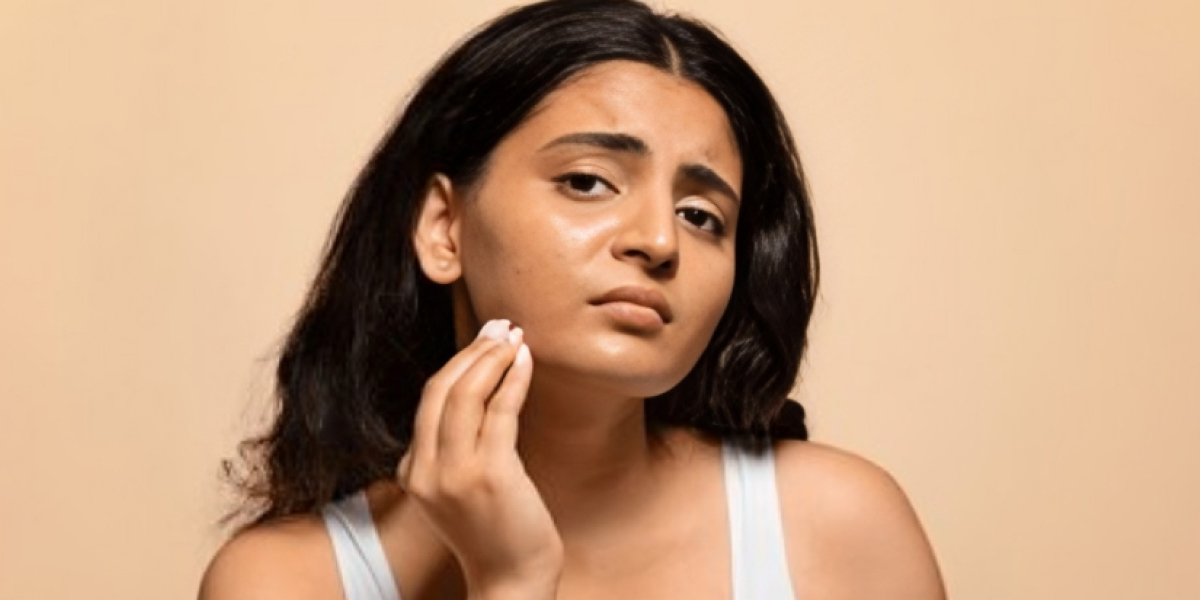
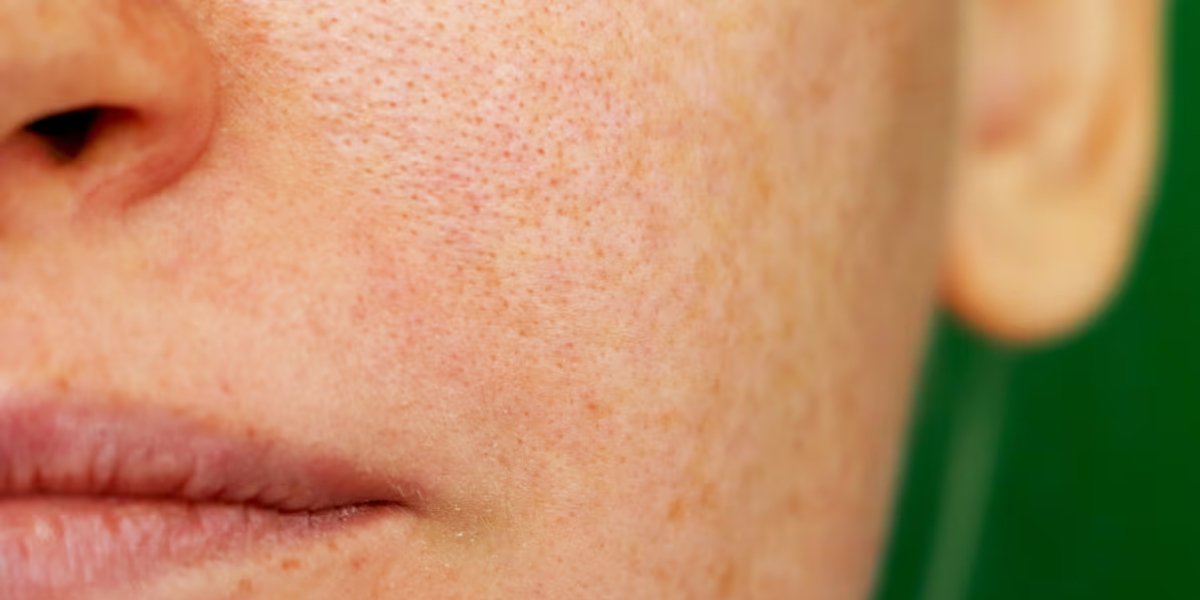
Pigmentation refers to the darkening of skin areas due to excess melanin production. Various factors trigger this overproduction including sun exposure, hormonal changes, inflammation from acne or injuries, certain medications, and genetic predisposition.

Hyperpigmentation manifests in different forms. Melasma appears as brown or gray-brown patches typically on the face, affecting women more frequently. Post-inflammatory hyperpigmentation develops after skin injury or inflammation. Solar lentigines, commonly called age spots or sun spots, result from cumulative sun exposure over years. Understanding the specific type of pigmentation determines the most effective treatment approach.

Advantages of Winter Pigmentation Treatment

Reduced UV Exposure

Winter months in Pune offer significantly lower UV intensity compared to summer. Since UV radiation triggers melanin production, reduced exposure minimizes the risk of treatment-induced darkening. This allows dermatologists to use stronger active ingredients and more aggressive protocols safely.

Better Treatment Tolerance

Cooler temperatures reduce skin sensitivity and inflammation. Many pigmentation treatments cause temporary redness and peeling, which become more manageable in winter’s mild climate. Patients experience greater comfort during the healing process.

Enhanced Treatment Efficacy

Chemical peels, laser treatments, and prescription-strength topicals work more effectively when skin isn’t constantly exposed to sun. Winter allows these treatments to target existing pigmentation without concurrent new melanin production interfering with results.

Lower Risk of Complications

Post-treatment hyperpigmentation represents a significant risk when treating pigmentation disorders. Winter’s reduced sun exposure substantially lowers this risk, making it the safest time for aggressive intervention.

Understanding comprehensive winter skin care helps patients prepare their skin for pigmentation treatments and maintain results effectively.

Professional Dermatologist Treatments for Pigmentation

Chemical Peels

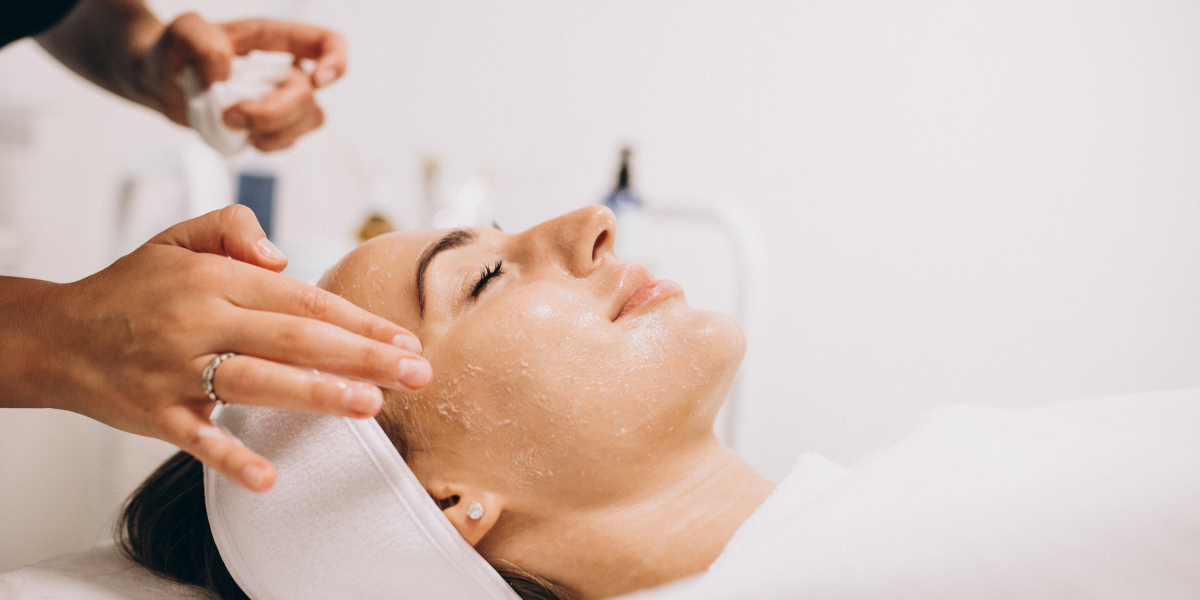
Dermatologists use various chemical peels to treat pigmentation effectively during winter. Glycolic acid peels exfoliate superficial pigmentation, TCA (trichloroacetic acid) peels penetrate deeper layers for stubborn spots, kojic acid peels specifically target melanin production, and combination peels address multiple pigmentation types simultaneously.

The treatment involves applying a chemical solution that removes damaged outer skin layers, revealing clearer skin beneath. Multiple sessions spaced 2-4 weeks apart typically achieve optimal results.

Laser Treatments

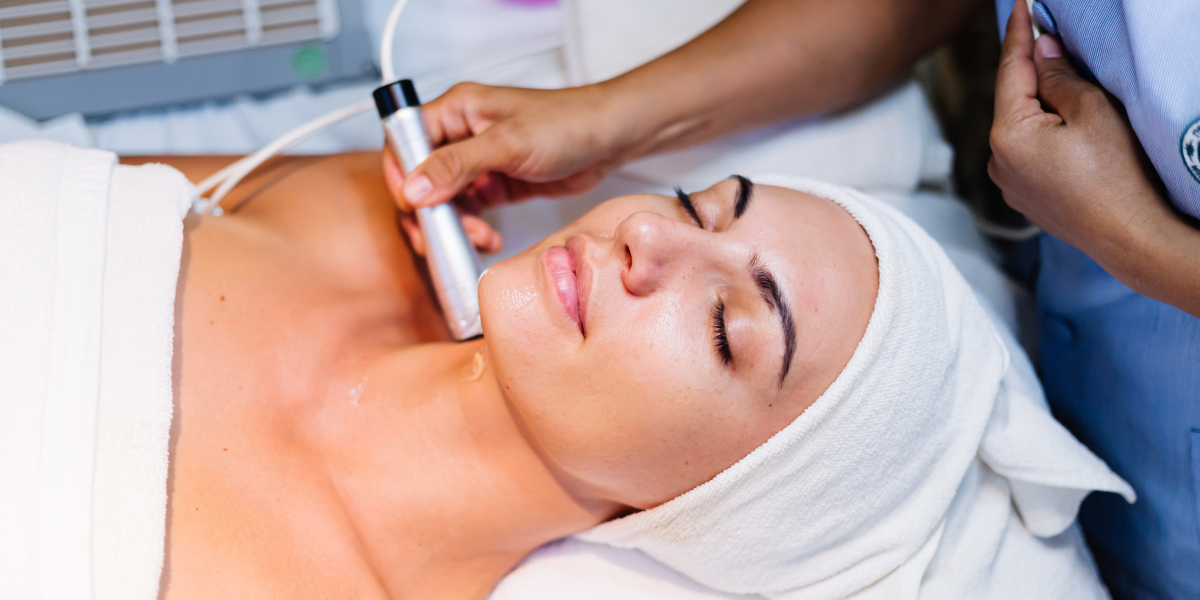
Advanced laser technology targets pigmentation with precision. Q-switched lasers break down melanin deposits, fractional lasers improve overall skin tone and texture, intense pulsed light (IPL) treats diffuse pigmentation, and picosecond lasers offer faster results with less downtime.

Laser treatments require strict sun avoidance post-procedure, making winter the ideal timing for these interventions.

Topical Prescription Treatments

Dermatologists prescribe medical-grade topical treatments including hydroquinone at prescription strength to inhibit melanin production, tretinoin to accelerate cell turnover and fade pigmentation, azelaic acid with anti-inflammatory and brightening properties, and kojic acid to suppress melanin synthesis.

These medications work gradually over 8-12 weeks, with winter’s extended period allowing complete treatment courses before summer’s intense sun returns.

Combination Therapy Approach

Most dermatologists recommend combining multiple treatments for optimal pigmentation reduction. A typical protocol might include prescription topicals for daily use, chemical peels monthly, and laser sessions as needed. This multi-modal approach targets pigmentation through different mechanisms, achieving superior results compared to single treatments.

Pre-Treatment Preparation

Successful pigmentation treatment begins before the first session. Dermatologists recommend starting sun protection with broad-spectrum SPF 30+ minimum daily, discontinuing irritating products 1-2 weeks before treatment, and priming skin with gentle exfoliants if recommended.

Some treatments require pre-treatment with specific topicals to prepare skin and minimize complications. Following these preparatory steps ensures safer procedures and better outcomes.

Post-Treatment Care Requirements

Proper aftercare determines treatment success. Essential post-treatment practices include strict sun avoidance with physical sun protection like hats and sunglasses, gentle cleansing with non-irritating products, applying prescribed healing ointments as directed, and avoiding makeup for specified periods post-procedure.

Patients must avoid picking or scratching treated areas, as this can cause scarring and worsen pigmentation. Moisturizing adequately prevents excessive dryness and supports healing.

Expected Timeline and Results

Pigmentation treatment requires patience. Superficial pigmentation may show improvement within 4-6 weeks, while deeper pigmentation takes 3-6 months for significant fading. Multiple treatment sessions are typically necessary, with maintenance treatments preserving results long-term.

Realistic expectations are important. Complete pigmentation removal may not be possible in all cases, but significant improvement typically occurs with consistent treatment. Some types of pigmentation, particularly melasma, may require ongoing maintenance to prevent recurrence.

Preventing Pigmentation Recurrence

Maintaining results requires ongoing care beyond initial treatment. Year-round sun protection remains non-negotiable, as UV exposure can trigger pigmentation return within weeks. Using antioxidant serums provides additional protection against melanin-triggering free radicals.

Addressing underlying causes such as hormonal imbalances or inflammatory skin conditions prevents new pigmentation development. Regular dermatologist follow-ups allow early intervention if pigmentation begins returning.

Conclusion

Winter provides optimal conditions to treat pigmentation effectively under professional dermatologist care. The combination of reduced UV exposure, better treatment tolerance, and lower complication risks makes this season ideal for addressing hyperpigmentation concerns. Starting treatment early in winter allows completion of multiple sessions before summer’s intense sun returns, maximizing results while minimizing risks associated with pigmentation therapy.
4.5
Based on 133 reviews
powered by Google
deepa shinde
12:16 01 Oct 24
Siyaa Deshmukh
09:27 28 Sep 24
Detailed consultancy
Minaxi Punjabi
08:59 07 Sep 24
Understanding the personal and psychological context and needs of the person and supporting them at every level of discovery and healing
Rajlaxmi Khanvilkar
10:09 02 Sep 24
Thank you so much for turning my skin around!!! You are truly gifted doctor 🙏
Nikeeta Nayak
12:38 26 Aug 24
Very patient ,understanding and supportive..thank you Dr Rashmi.
roshan bhatia
01:17 07 Aug 24
Dr Rashmi and her team are skin obsessed! They have an incredible array of treatments and I am yet to find a doctor, that combines such a warm, friendly and calming environment, with such advanced and expert treatments. Dr Rashmi and her team have taught me so much about my skin and skin health in general and a combination of their amazing treatments and personalised regime has left my skin the best its ever been.I have entrusted them with preparing me for some of the biggest events of my life and I couldn’t have been happier. I love recommending Skinsure to friends and family and I always look forward to my next appointment!!!
smita modak
08:28 03 Aug 24
Dr Rashmi mam is very kind and generous. I have been visiting since 2 years and have got good results... Satisfied with the Treatment
Teknova Biocare
10:46 29 Jul 24
I consulted Dr Rashmi lohiya for hair fall. She is a very nice and humble doctor. she explain me very well and gives genuine advice. After 3 months of medication I am very happy with the results. Thank u Dr .
Neha Laddha
14:41 19 Jul 24
I consulted Dr Rashmi for my face laser hair reduction & have had an excellent experience . Dr Rashmi’s expertise have helped me have 4 very successful & result driven sessions . I am glad to have chosen her as my dermat , along with her competence , knowledge & skill she had also been extremely compassionate & patient with my concerns .Thank you . Looking forward to a great assosiactiom .
Preity Mody
06:22 11 Jul 24
Dr Rashmi Lohiya gives genuine and Honest medical advice and treatments for Skin and Hair . I have got excellent results for skin treatments I have taken from her .
js_loader

FAQ

Yes, winter is suitable for treating all pigmentation types including melasma, sun spots, and post-inflammatory hyperpigmentation. The reduced UV exposure benefits all pigmentation treatments.
Most patients require 4-6 treatment sessions for significant improvement, though this varies based on pigmentation severity and treatment type. Superficial pigmentation may respond faster than deeper concerns.
Absolutely. Even winter sun contains UV rays that can trigger melanin production and reverse treatment progress. Daily broad-spectrum SPF 30+ is essential regardless of weather or season.
While some natural ingredients may offer mild brightening effects, professional dermatologist treatments provide significantly faster and more dramatic results for pigmentation concerns. Home remedies cannot match medical-grade treatments.
Begin treatment in early winter (November-December) to complete multiple sessions and see significant improvement before summer arrives. This timing allows adequate treatment duration while minimizing sun exposure.
Scroll to Top
Call Now Button