

Why Your Skin Acts Up During Season Change

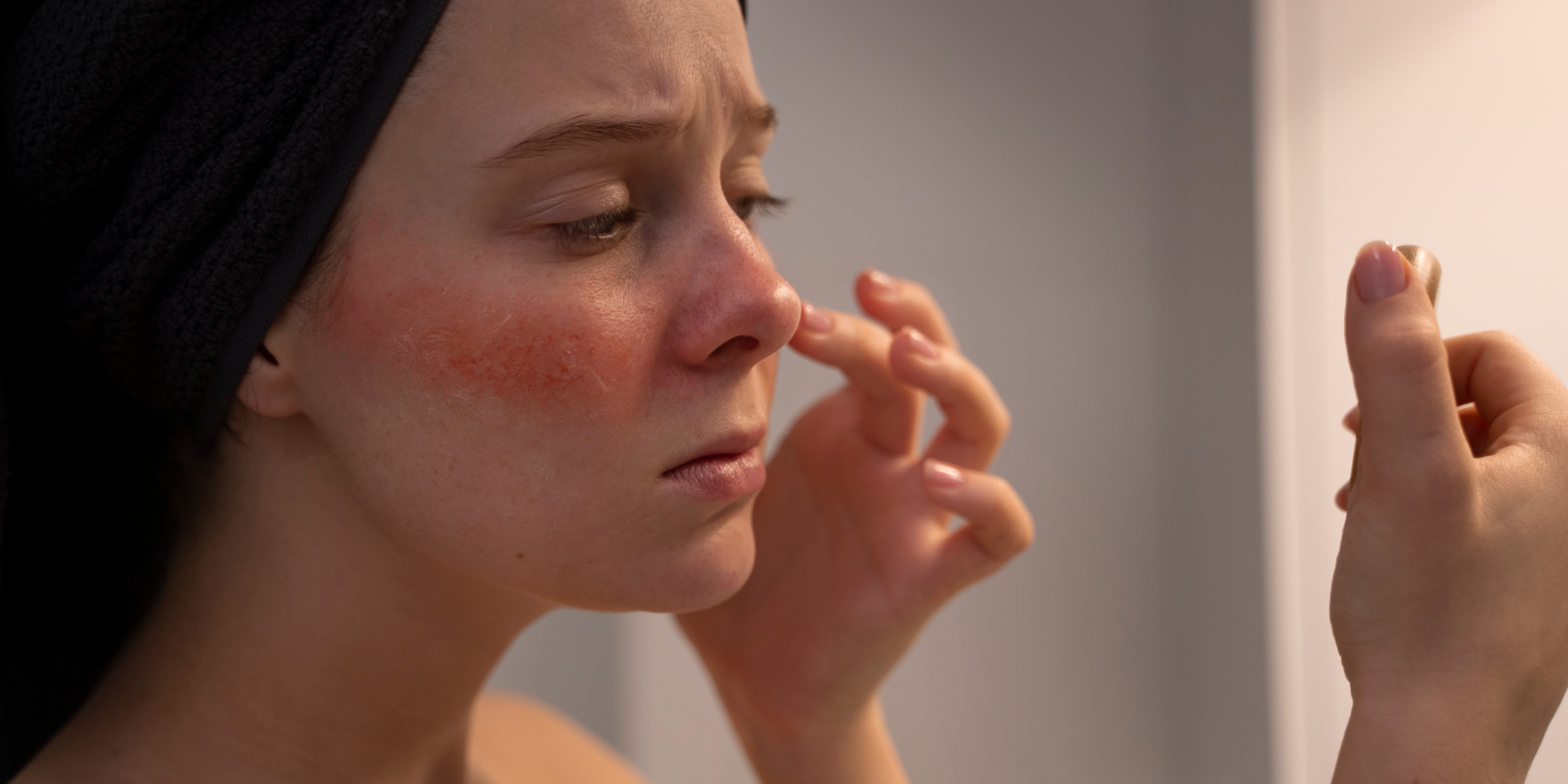
Just as you swap your wardrobe when seasons shift, your skin requires different care as weather patterns change. If you’ve noticed increased sensitivity, unexpected breakouts, or persistent dryness during seasonal transitions, you’re experiencing weather change skin problems that affect millions globally. Understanding these patterns helps you adapt your skincare proactively rather than reactively.

The Science Behind Seasonal Skin Changes

Your skin functions as your body’s first line of defense against environmental conditions. When weather patterns shift, the sudden change in temperature, humidity, UV intensity, and air quality forces your skin to recalibrate its protective functions rapidly.

During transitions from winter to spring or summer to fall, your skin’s oil production, moisture retention capacity, cellular turnover rate, and barrier function all adjust to new environmental demands. This adaptation period creates vulnerability, manifesting as various skin flare ups that can frustrate even those with typically stable complexions.

Seasonal skin transition care recognizes these physiological shifts and provides targeted support during vulnerable adaptation periods, preventing minor disruptions from escalating into persistent problems.

Common Weather Change Skin Problems

Winter-to-spring transitions often bring increased sensitivity as skin adjusts from dry, cold air to fluctuating temperatures and higher humidity. You might notice unexpected reactions to previously tolerated products or sudden breakouts as your skin recalibrates oil production.

Spring-to-summer shifts challenge skin with intensifying UV exposure, rising humidity, and increased pollution levels. Many experience enlarged pores, increased oiliness, and pollution-related skin issues as environmental assault intensifies.

Summer-to-fall transitions can trigger dehydration as humidity drops while indoor heating systems activate. Skin that thrived in summer moisture suddenly feels tight, flaky, or rough. Eczema and psoriasis sufferers often experience pronounced skin flare ups during this period.

Fall-to-winter changes bring perhaps the harshest adjustment. Plummeting humidity, cold winds, and indoor heating strip moisture aggressively. Barrier function deteriorates rapidly without proper seasonal skin transition care, leading to cracking, irritation, and increased sensitivity.

Why Seasonal Flare-Ups Happen

Weather change skin problems stem from barrier disruption. Your skin’s protective barrier consists of lipids, ceramides, and natural moisturizing factors that maintain hydration and block irritants. Sudden environmental shifts disrupt this delicate structure faster than your skin can regenerate these protective components.

Humidity fluctuations particularly challenge your skin. High humidity can increase congestion and breakouts in oily skin types, while low humidity accelerates moisture loss in everyone. Your skin’s moisture content can drop by 25-30% within days of significant humidity changes without proper intervention.

Temperature extremes stress skin differently. Cold constricts blood vessels, reducing nutrient delivery and slowing cellular processes. Heat dilates vessels and increases inflammation while accelerating oil production. Moving between temperature extremes—like heated buildings in winter—compounds stress exponentially.

Similar to how stress triggers cortisol-related skin issues, seasonal transitions create physiological stress that manifests dermally. Your skin’s stress response during weather changes includes increased inflammation, altered pH balance, and compromised immunity against bacteria and irritants.

Preventing Seasonal Skin Issues

Proactive seasonal skin transition care begins before problems emerge. As each season approaches, gradually introduce products suited to upcoming conditions rather than waiting for skin flare ups to force changes.

Pre-winter preparation includes increasing moisturizer richness, adding facial oils or occlusives to seal hydration, introducing humectants like hyaluronic acid that attract moisture, and incorporating barrier-repair ingredients like ceramides.

Pre-summer adjustments involve lightening moisturizer textures, increasing antioxidant use to combat UV and pollution damage, adding chemical exfoliants to manage increased oil production, and intensifying sun protection with higher SPF formulations.

Transition periods warrant extra gentleness. Reduce active treatments like retinoids or strong acids temporarily if experiencing sensitivity. Focus on calming, hydrating, and protecting rather than aggressive transformation during vulnerable adaptation phases.

Adapting Your Routine Seasonally

Your cleansing approach should shift seasonally. Winter demands gentle, creamy cleansers that don’t strip protective oils. Summer allows lighter, foaming formulations that remove excess sebum and environmental debris more thoroughly.

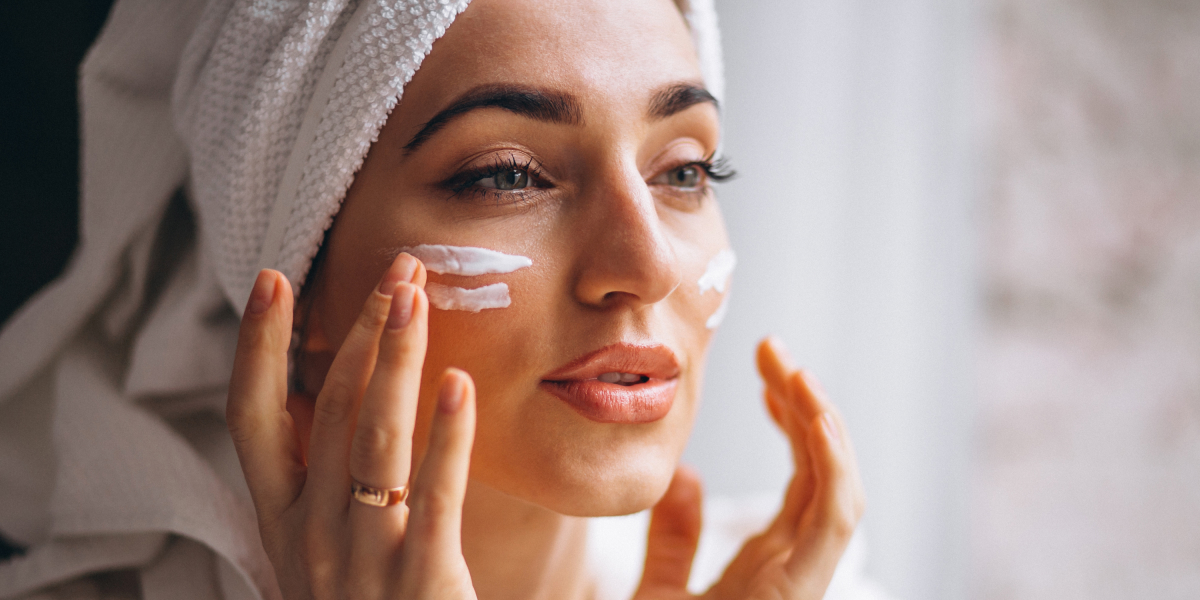
Moisturization strategies require the most dramatic seasonal adjustments. Winter calls for rich, occlusive formulations containing ingredients like shea butter, squalane, or ceramides. Summer benefits from lightweight, water-based gels or lotions that hydrate without congestion.

Treatment products need seasonal consideration too. Winter skin tolerates fewer active ingredients and benefits from more hydrating, soothing formulations. Summer skin often handles stronger exfoliants and active treatments better, though always with appropriate sun protection.

Consider how professional treatments timing affects seasonal transitions. Schedule intensive procedures during stable weather periods rather than during transition phases when skin is already stressed.

Identifying Your Seasonal Triggers

Track patterns using a skin journal noting weather conditions, products used, and skin responses. Over time, you’ll identify specific triggers—perhaps spring pollen aggravates your complexion or winter indoor heating causes particular issues.

Advanced skin analysis before and during seasonal transitions provides objective data about how weather affects your specific skin, enabling targeted rather than generalized seasonal adjustments.

Special Considerations for Sensitive Skin

Those with inherently reactive skin or conditions like rosacea, eczema, or psoriasis experience amplified weather change skin problems. These individuals require more conservative seasonal skin transition care approaches.

Start seasonal adjustments 4-6 weeks before weather changes typically occur in your region. This gradual transition minimizes shock to already-sensitive skin. Patch test new seasonal products extensively before full-face application.

Maintain a minimal, consistent core routine year-round, adjusting only specific products as needed rather than overhauling your entire regimen. Consistency provides stability during inherently unstable transition periods.

Environmental Control Strategies

Beyond topical care, environmental modifications support seasonal skin transition care. Use humidifiers when indoor humidity drops below 40%, particularly during winter heating season and summer air conditioning use.

Adjust shower temperature and duration seasonally. Long, hot showers strip natural oils aggressively—particularly problematic during dry seasons. Lukewarm water and shorter duration protect your barrier better.

Layer clothing appropriately to minimize temperature shock when moving between indoor and outdoor environments. Protecting facial skin from harsh winds with scarves during winter prevents weather change skin problems from escalating.

When to Seek Professional Help

Persistent skin flare ups lasting beyond 2-3 weeks despite seasonal adjustments warrant professional evaluation. Dermatologists can determine whether you’re experiencing normal seasonal sensitivity or whether underlying conditions require medical treatment.

Sudden, severe reactions—like intensely itchy rashes, painful cracks, or signs of infection—need immediate attention regardless of seasonal timing.

Conclusion

Seasonal skin transition care isn’t optional—it’s essential for maintaining healthy skin year-round. Weather change skin problems affect everyone to varying degrees, but understanding these patterns and adjusting proactively prevents minor seasonal adjustments from becoming major skin flare ups. By respecting your skin’s need to adapt to environmental changes and supporting it through targeted care, you can maintain stable, healthy skin regardless of what weather patterns bring.
4.5
Based on 133 reviews
powered by Google
deepa shinde
12:16 01 Oct 24
Siyaa Deshmukh
09:27 28 Sep 24
Detailed consultancy
Minaxi Punjabi
08:59 07 Sep 24
Understanding the personal and psychological context and needs of the person and supporting them at every level of discovery and healing
Rajlaxmi Khanvilkar
10:09 02 Sep 24
Thank you so much for turning my skin around!!! You are truly gifted doctor 🙏
Nikeeta Nayak
12:38 26 Aug 24
Very patient ,understanding and supportive..thank you Dr Rashmi.
roshan bhatia
01:17 07 Aug 24
Dr Rashmi and her team are skin obsessed! They have an incredible array of treatments and I am yet to find a doctor, that combines such a warm, friendly and calming environment, with such advanced and expert treatments. Dr Rashmi and her team have taught me so much about my skin and skin health in general and a combination of their amazing treatments and personalised regime has left my skin the best its ever been.I have entrusted them with preparing me for some of the biggest events of my life and I couldn’t have been happier. I love recommending Skinsure to friends and family and I always look forward to my next appointment!!!
smita modak
08:28 03 Aug 24
Dr Rashmi mam is very kind and generous. I have been visiting since 2 years and have got good results... Satisfied with the Treatment
Teknova Biocare
10:46 29 Jul 24
I consulted Dr Rashmi lohiya for hair fall. She is a very nice and humble doctor. she explain me very well and gives genuine advice. After 3 months of medication I am very happy with the results. Thank u Dr .
Neha Laddha
14:41 19 Jul 24
I consulted Dr Rashmi for my face laser hair reduction & have had an excellent experience . Dr Rashmi’s expertise have helped me have 4 very successful & result driven sessions . I am glad to have chosen her as my dermat , along with her competence , knowledge & skill she had also been extremely compassionate & patient with my concerns .Thank you . Looking forward to a great assosiactiom .
Preity Mody
06:22 11 Jul 24
Dr Rashmi Lohiya gives genuine and Honest medical advice and treatments for Skin and Hair . I have got excellent results for skin treatments I have taken from her .
js_loader

FAQ

Most skin adapts within 2-4 weeks of consistent seasonal skin transition care, though sensitive skin may require 6-8 weeks to stabilize fully.
No, adjust specific products addressing seasonal challenges while maintaining a consistent core routine. Typically, moisturizer and cleanser changes suffice.
Weather change skin problems often include breakouts caused by barrier disruption and inflammation rather than excess oil—affecting all skin types during transitions.
Omega-3 fatty acids, vitamin D (especially in winter), and antioxidants may support skin through seasonal transitions, though topical care remains most important.
Mild seasonal sensitivity is normal, but severe, persistent reactions may indicate conditions like eczema or rosacea requiring medical treatment beyond seasonal adjustments.
Scroll to Top
Call Now Button